Department of Siddha Maruthuva addippadai Tathuvam
Siddha Maruthuva Moola Thathuvam Department
Under the Dept. of Siddha Maruthuva Moola Thathuvam, the subject Siddha Maruthuva Adippadai Thatuvangalum Varalarum is taught to First Professional BSMS students. The history and basic principles of Siddha system of Medicine is taught to the students.
Five Elemental Theory:
The cosmic and physical body philosophy of five elements (earth, water, fire, air, space) theory is educated to the students based on Siddha Treatment. These five elements are functioning as body and also energy inside the body both anatomically and physiologically.
The three humours theory:
The ways in which air functions as Vatha, fire as Pitha, and water as Silethumam among the five elements are explained.
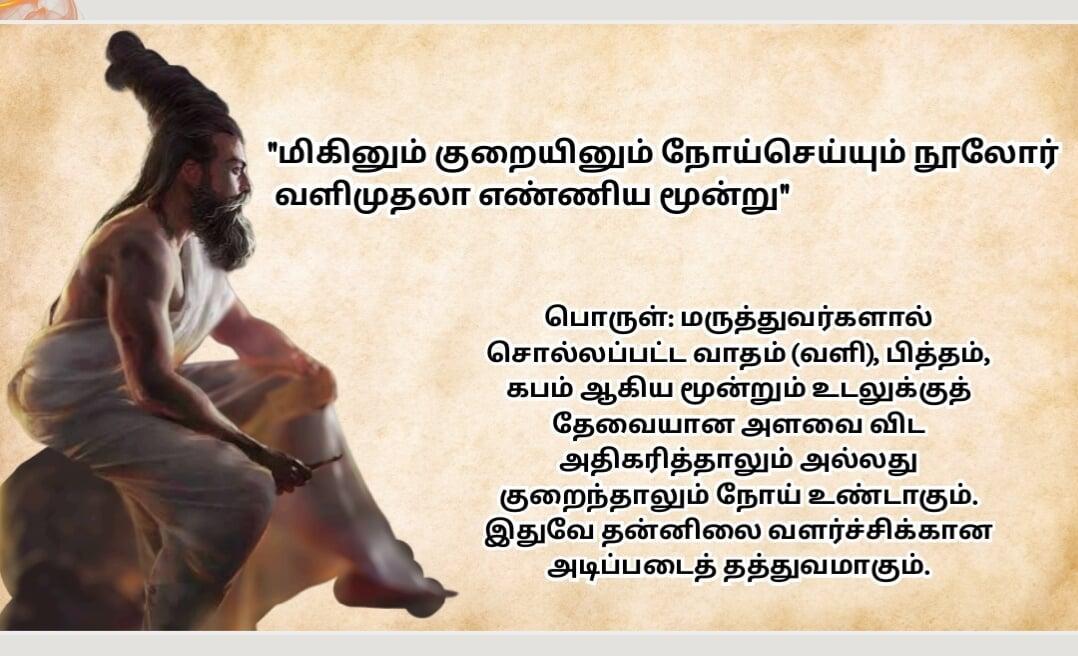
The variations of vatha, pitha and silethuma and subtle principles functioning in the body like earth, space etc are mentioned as the causes for diseases.
96 Thathuvangal:
Siddha system of medicine classifies the human body into three-Thoola sareeram, Sookkuma sareeram and Kaarana sareeram, based on 96 principles, body, spirit, soul, pancha kosangal etc are taught in this syllabus.
This syllabus is designed to help students understand, research, and benefit from the terminologies and concepts of siddhars, including the guru-disciple tradition of the Siddhars, the lifestyle and duties of a medical student, the history of Siddha Medicine, comparative study of Siddha Medicine with traditional and modern medical systems of India and other countries, medicinal preparations of the siddhars such as Rasavatham, Muppu and Kaya Siddhi methods, and the basic principles of preparing medicines using herbal, mineral and animal-based substances.
The first year students will understand clearly about the creation of universe and the creation of body and living beings in the world based on the cosmic theory of Siddhars.
The fundamental principles of the Siddhars-Vatham, Vaithiyam, Yogam and Gnanam are emphasized in an excellent manner.
Department of Udal Koorugal
About the Department
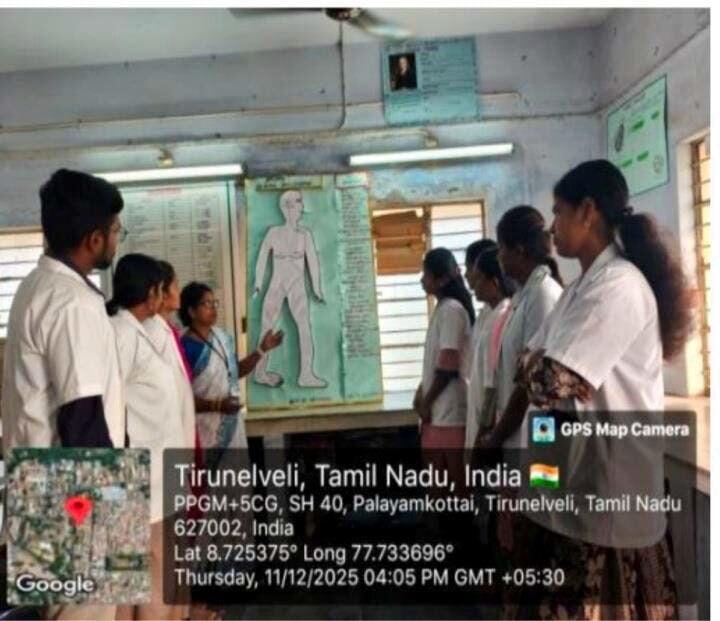
The Department of Udalkoorugal (Human Anatomy) is a core academic department under the Bachelor of Siddha Medicine and Surgery (BSMS) programme. The department provides fundamental knowledge of human body structure by integrating classical Siddha anatomical concepts with modern anatomy. This foundation supports students in understanding health, disease, diagnosis, and therapeutic procedures in Siddha medicine.
Vision
To impart comprehensive anatomical knowledge by integrating Siddha principles with modern science, fostering competent and ethical Siddha medical graduates.
Mission
To deliver quality education in Udalkoorugal relevant to Siddha medical practice.
To correlate classical Siddha anatomy with contemporary anatomical understanding.
To enhance observational, analytical, and clinical orientation skills in students.
To uphold traditional knowledge through scientific interpretation.
Programme Offered
Bachelor of Siddha Medicine and Surgery (BSMS)
Objectives
To introduce Siddha concepts of Udalkoorugal in alignment with modern anatomy.
To enable students to identify and understand human body structures and systems
To develop practical and dissection-based learning skills.
To strengthen the anatomical base required for clinical subjects.
Teaching–Learning Methods
Classroom lectures and interactive discussions
Practical sessions including osteology and specimen demonstrations
Dissection-based teaching and model demonstrations
Use of audio-visual aids and digital learning resources
Internal assessments and continuous evaluation
Infrastructure & Facilities
Well-equipped Anatomy Laboratory
Adequate collection of bones, charts, models, and preserved specimens
Spacious demonstration area for practical learning
Access to reference books and classical Siddha texts
Student Support & Development
The department focuses on academic excellence, ethical values, and professional discipline. Students are encouraged to develop critical thinking,clinical correlation skills, and a holistic understanding of human anatomy.
Departmental Activities
Academic seminars and demonstrations
Internal assessments and practical examinations
Orientation programs for first-year BSMS students
Academic discussions linking anatomy with clinical application
Outcome
Graduates gain a strong foundation in Udalkoorugal, enabling them to understand human structure, support clinical reasoning, and apply anatomical knowledge effectively in Siddha medical practice.
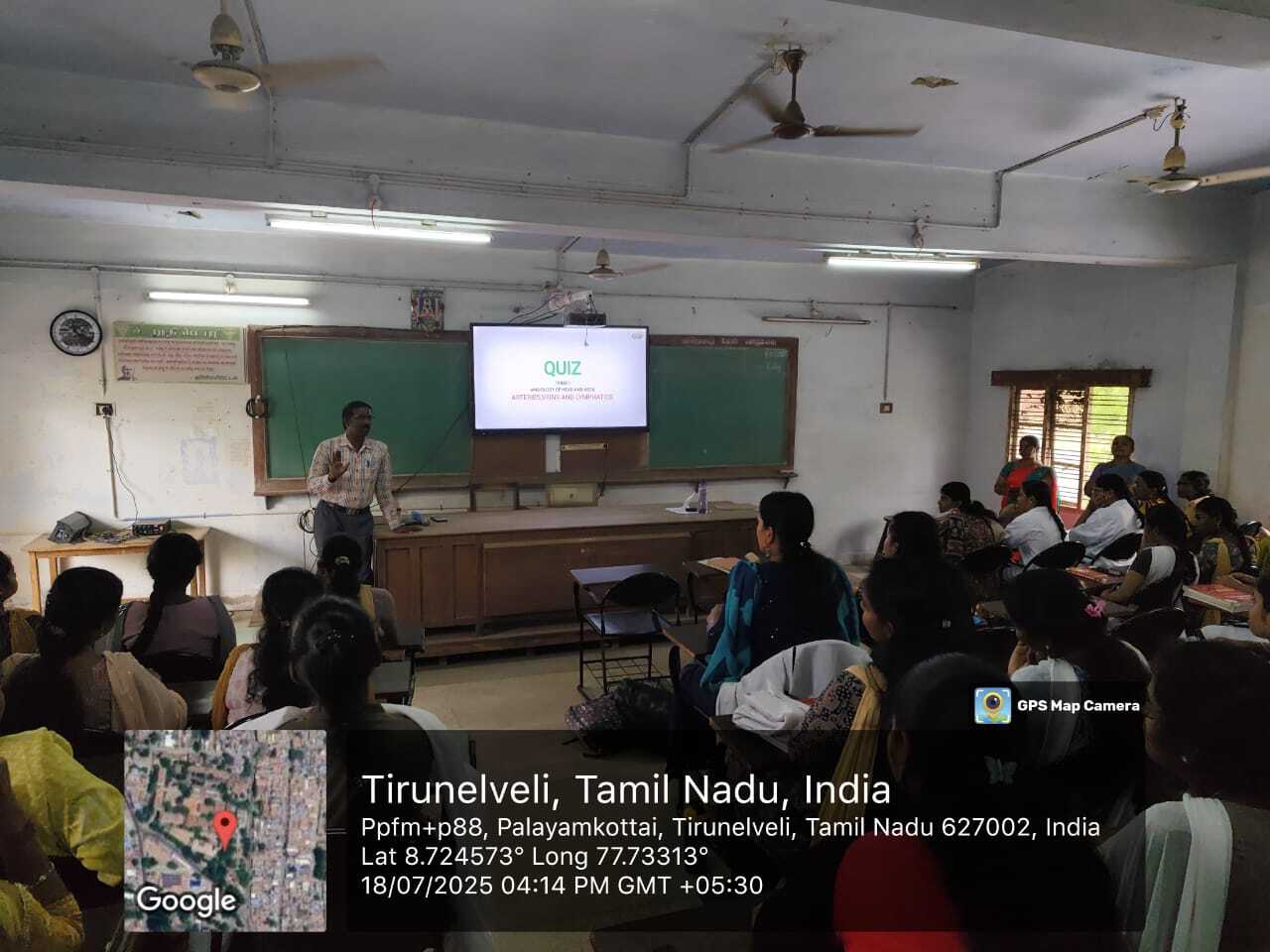
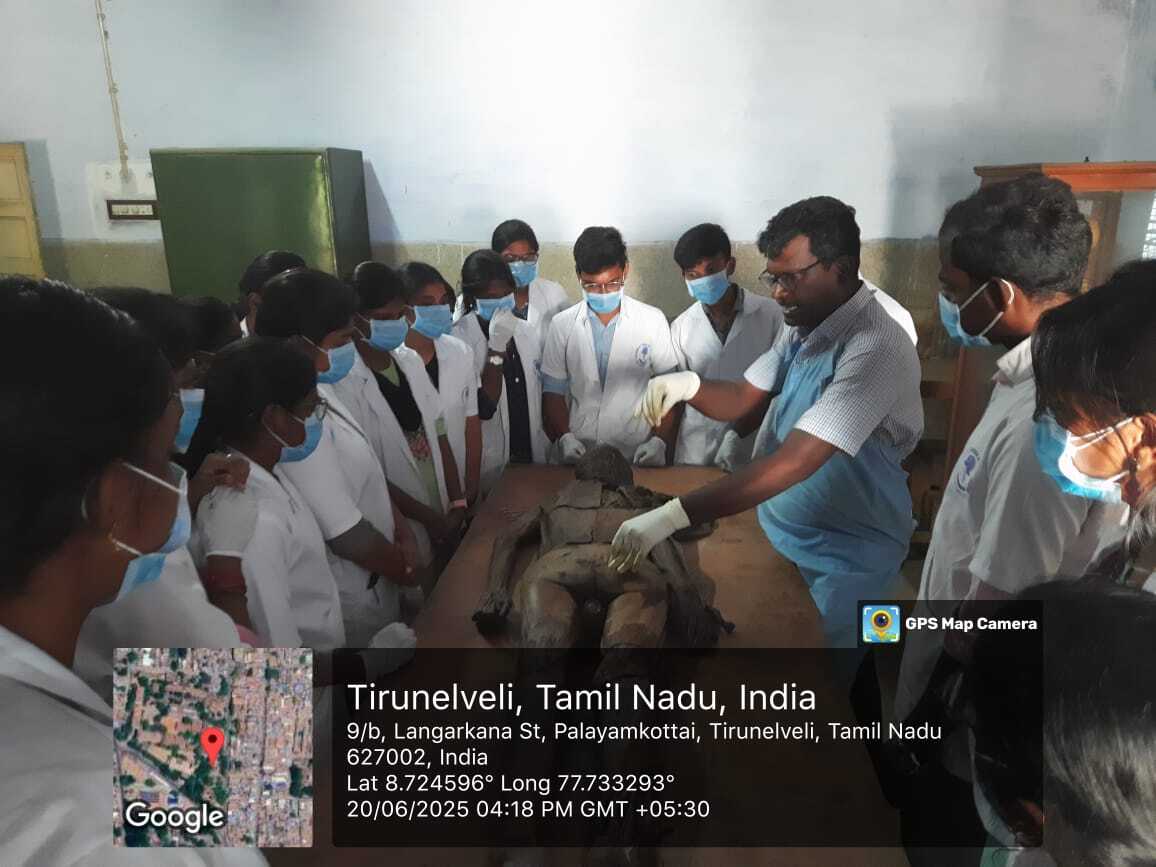
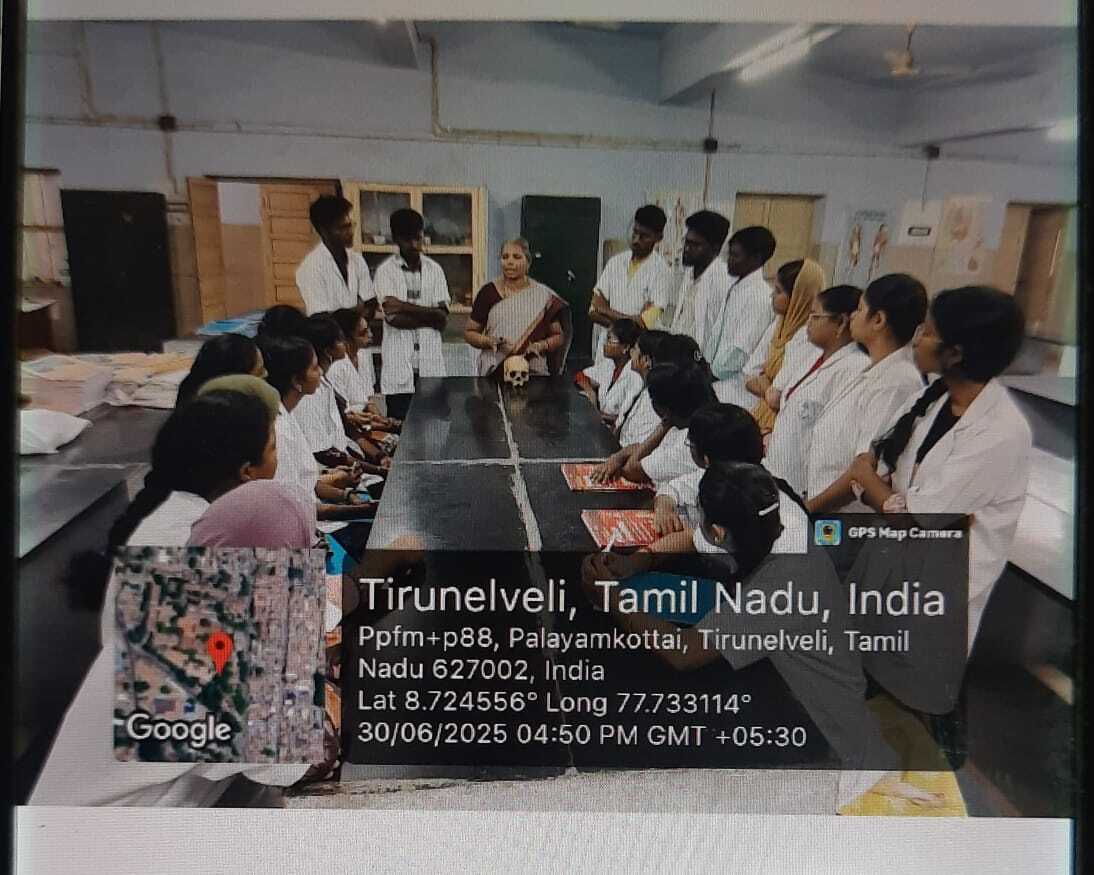
Department of Udal Thathuvam & Biochemistry
The Department of Physiology (Udal Thathuvam) at Government Siddha Medical College, Palayamkottai is a fundamental, preclinical branch tought during 1st Professional BSMS Course. The Department oAers a holistic and comprehensive approach to the study of human physiology through an intregration of modern medical physiology and siddha principles. The department emphasizes understanding how and why the human body functions the way it does, preparing the students to apply their knowledge in real world clinical settings.
Vision:
We aim to cultivate future Siddha practitioners who are well-versed in both modern physiology and Siddha principles, fostering holistic approaches to health and healing.
Mission:
To provide in-depth knowledge of normal human physiological mechanisms (cellular to organ system levels) and their applications in understanding disease pathology (pathophysiology). Our goal is to ensure that students grasp the foundational principles of Siddha in relation to the body’s normal functioning, preparing them to identify and treat abnormalities with precision and confidence in their future clinical practice.
Experimental & Practical Work,Comprehensive Laboratory Training:
Clinical Physiology:
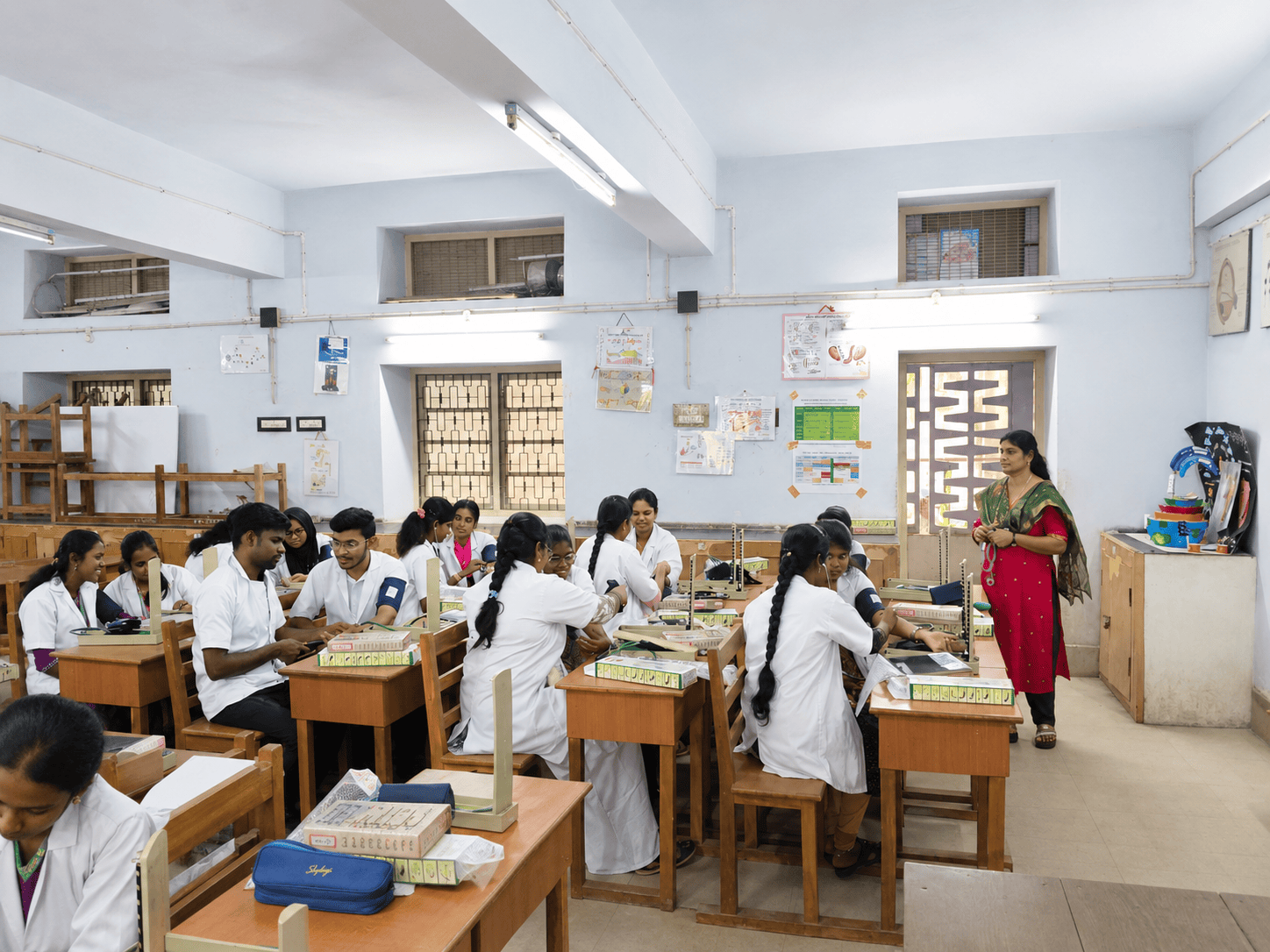
Arterial blood pressure determination, Cardiovascular and pulse examination & heart sound auscultation, Respiratory examination & breath sound auscultation, ECG demonstration, Cranial nerve examination & reflexes
Hematology :
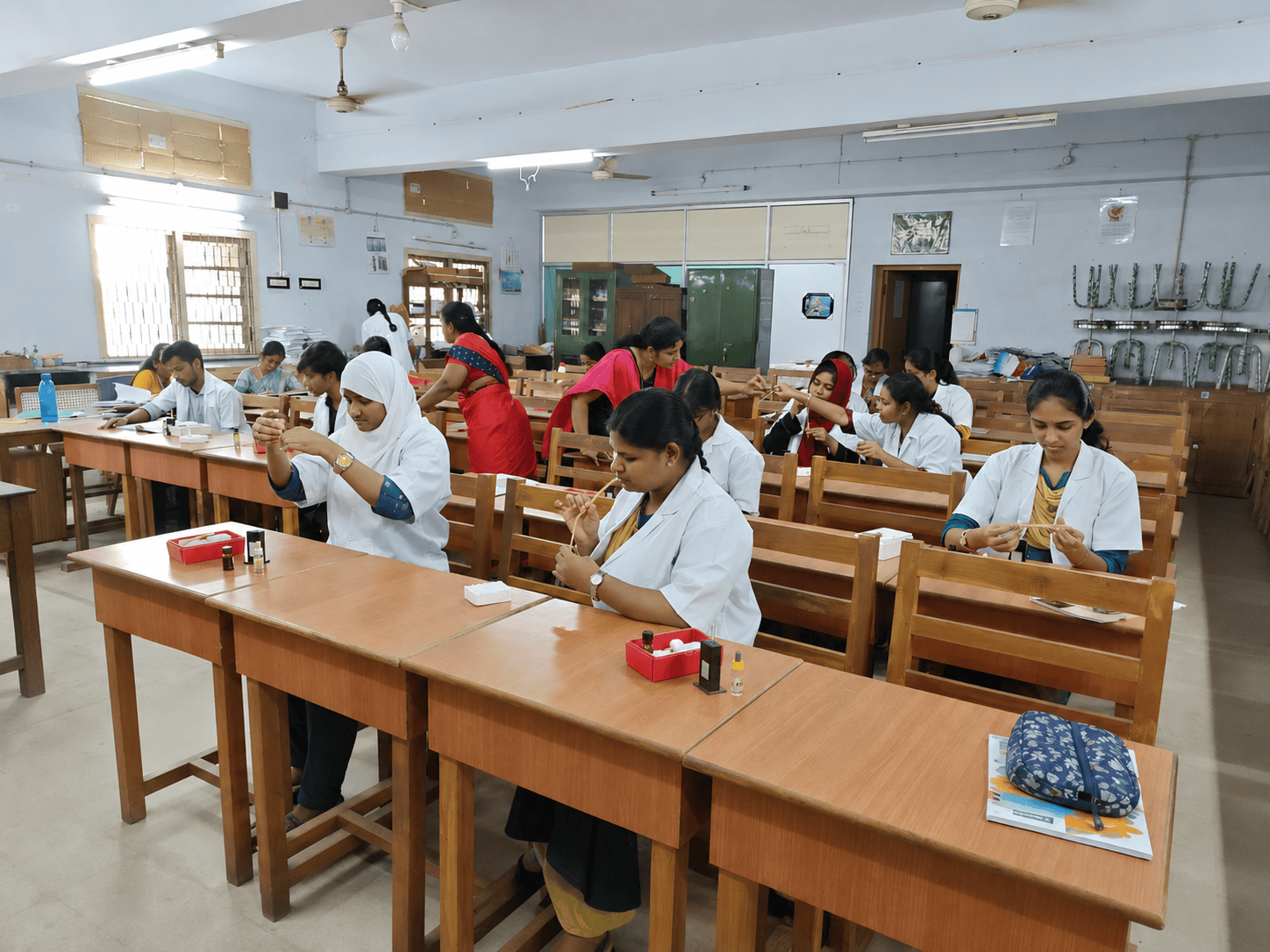
Hemoglobin & ESR estimation, Bleeding time & clotting time, Blood grouping (ABO & Rh), Total leukocyte & erythrocyte count and diAerential count of WBCs.
Amenities and facilities:
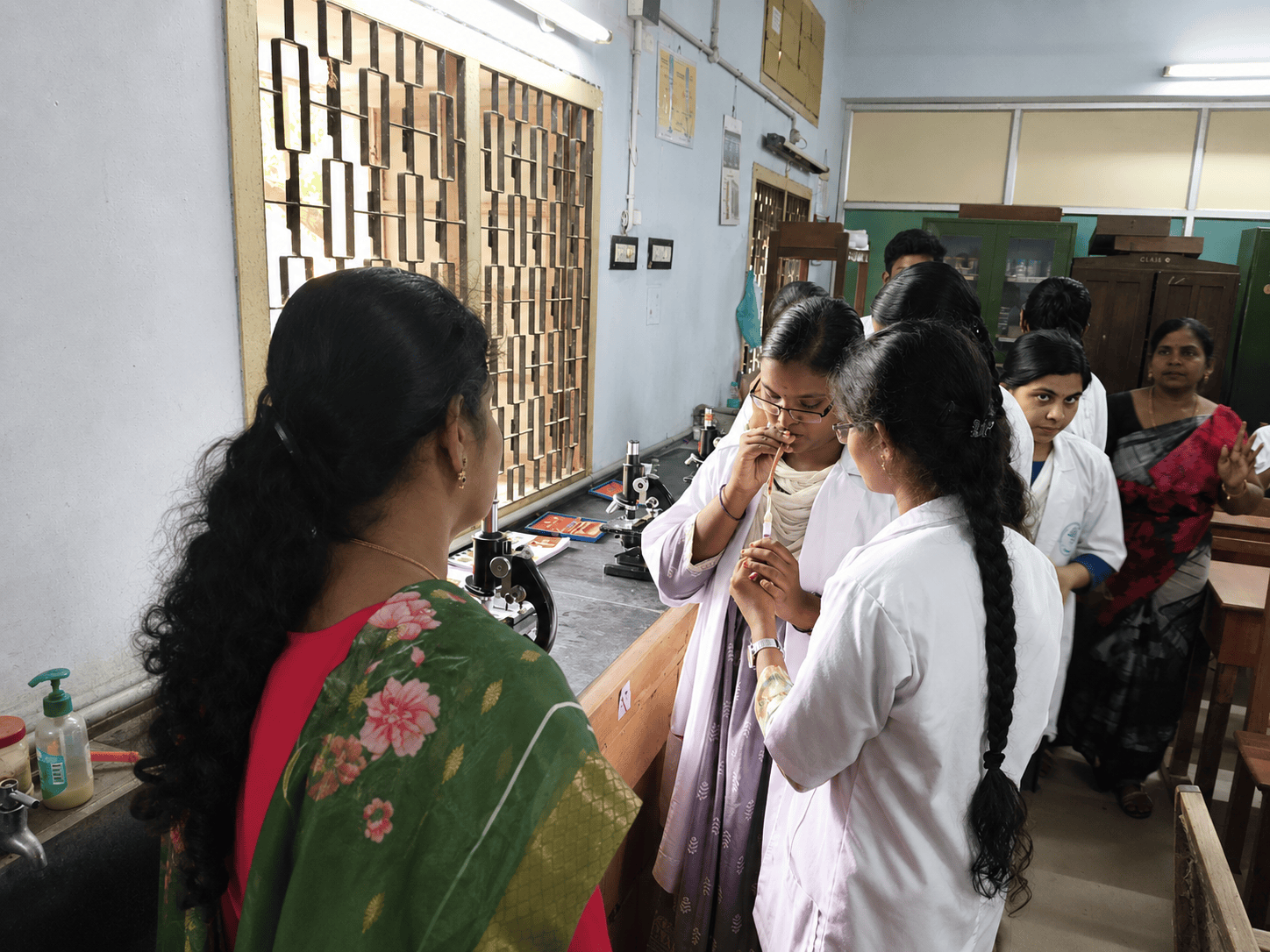
Physiology Lab: The department is equipped with a physiology laboratory, which contains all necessory equipment and materials for hematology practical and clinical practical including microscopes, sphygnomanometers, clinical thermometer, westergren ESR tubes, stethoscopes, tunning Forke, knee hammers, haemocytometers etc. and supports hands on training and practical applications of physiological concepts.
Department Library :The department library houses a curated collection of essential textbooks and reference materials including works on physiology, biochemistry, pathology, Siddha texts and other related subjects for quick reference and in-depth study.
Charts, Models and Specimens: Various charts, models and specimens explaining both siddha and modern concepts are available for demonstrative classes, facilitating visual and practical learning for students.
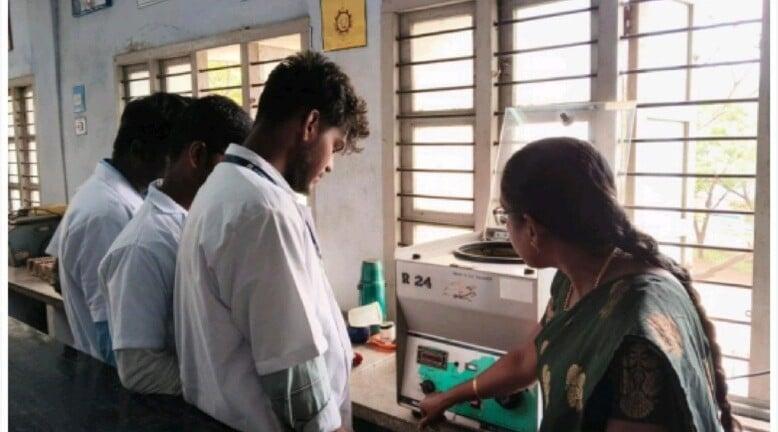
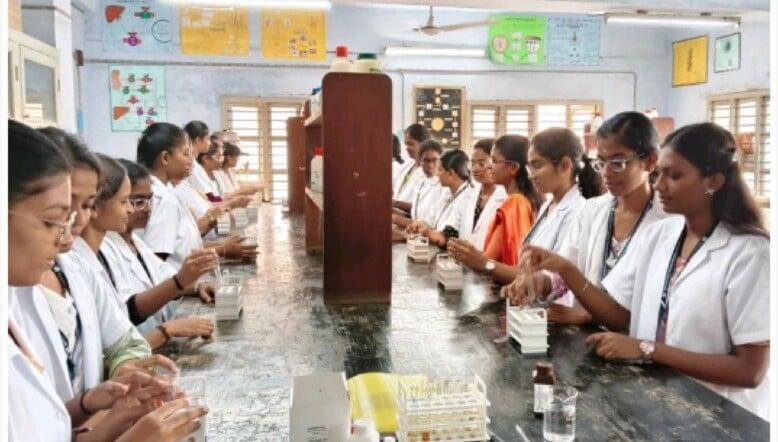
Biochemistry is an essential basic medical science subject in the BSMS curriculum. It provides knowledge regarding the chemical composition and metabolic activities of living organisms, which forms the foundation for understanding physiology, pathology, nutrition, pharmacology, and clinical medicine. The subject integrates theoretical concepts with laboratory practical training to develop analytical skills and scientific understanding among students.
Objectives of the Subject :
To understand the structure and functions of biomolecules.
To study the metabolism of carbohydrates, proteins, lipids, vitamins, minerals, and nucleic acids.
To correlate biochemical changes with normal and disease conditions.
To develop laboratory skills for biochemical investigations.
To understand the importance of nutrition and biochemical balance in health and disease.
To apply biochemical knowledge in clinical and diagnostic practices.
Theory Activities Summary
Teaching Methodology
Activities Conducted:
Biochemical evaluation of clinical research samples
Blood and urine biochemical investigations
Liver and renal function analysis
Blood glucose and lipid profile estimation
Enzyme and metabolic parameter analysis
Data interpretation and report preparation
Guidance for laboratory techniques and instrumentation
Outcome:
The Department of Biochemistry effectively conducts both theory and practical activities as per NCISM guidelines for the BSMS programme. The curriculum provides students with fundamental biochemical knowledge and laboratory skills essential for clinical understanding and professional practice.
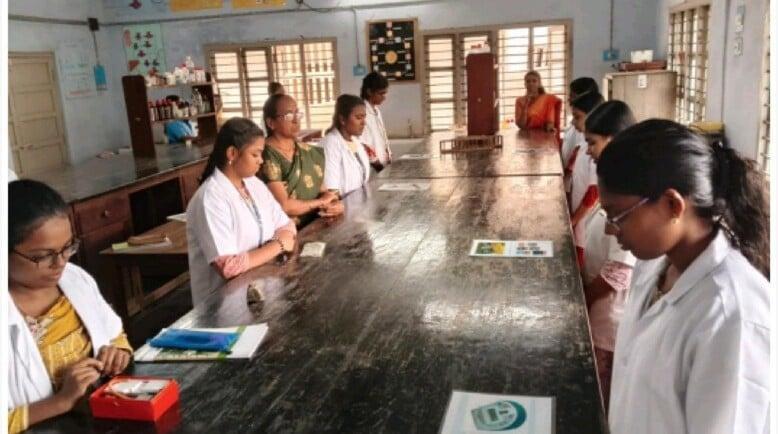
Department of Gunapadam Marunthial & Medicinal Botany
The Department of Gunapadam – Marunthiyal is one of the core academic and research departments in Siddha medicine. It is dedicated to the scientific study of medicinal substances, their properties, preparation methods, purification techniques, pharmacological actions, and therapeutic applications according to Siddha principles.Marunthiyal, the pharmacological division of Gunapadam, explains the action of medicines on the human body and their role in restoring equilibrium of the three humors — Vali, Azhal, and Iyyam.
Vision and mission:
To become a centre of excellence in Siddha pharmacology and pharmaceutical sciences by preserving traditional wisdom, promoting scientific research, ensuring drug safety and standardization, and contributing to quality Siddha healthcare
-To impart quality education in Siddha pharmacology and pharmaceutics.
-To preserve and promote traditional Siddha medicinal knowledge.
-To develop competency in drug identification, purification, preparation, and therapeutic application.
-To encourage research in Siddha pharmacology, drug standardization, and safety evaluation.
-To integrate traditional Siddha principles with modern scientific approaches.
-To support public healthcare through safe, effective, and evidence-based Siddha medicines.
Medicinal Botany
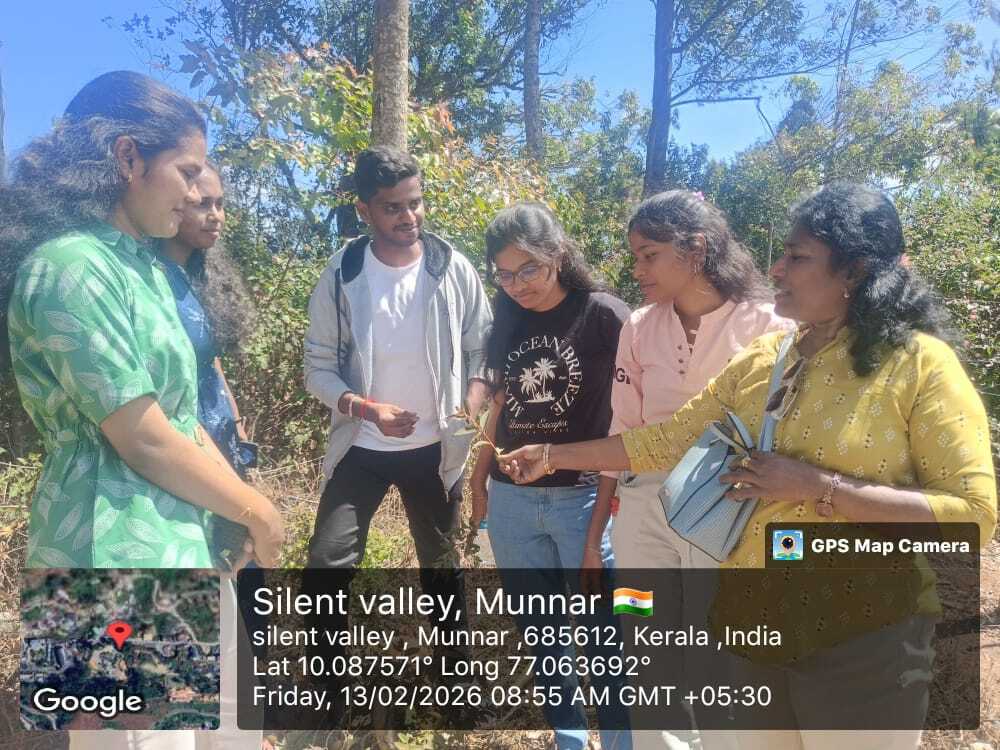
The subject Medicinal Botany is a vital part of Siddha curriculum, as plants are the main component in treating diseases. The Department of Medicinal Botany imparts Quality education in the field of Plant Taxonomy and Herbal Pharmacognosy. It offers essential knowledge and technical skill in drug identification and sensitizes students towards the need for Authentication, standardization and sustainable use of Herbal drugs. Ethnobotany emphasises the documentation of Traditional Knowledge on Medicinal Plants which leads to Ethno-pharmacological screening for Drug Discovery Programs.
For the Post graduate M.D (Siddha) course, the subject Phyto-pharmacognosy imparts practical skills in determination of standardization parameters. The Department maintains a Herbal garden which has more than 250 species of medicinal plants including 5 endangered species. A repository of 312 Raw Drug are available for Authentication. The Herbaria of the department contains 150 rare specimens of Medicinal plants.
AcademicActivities
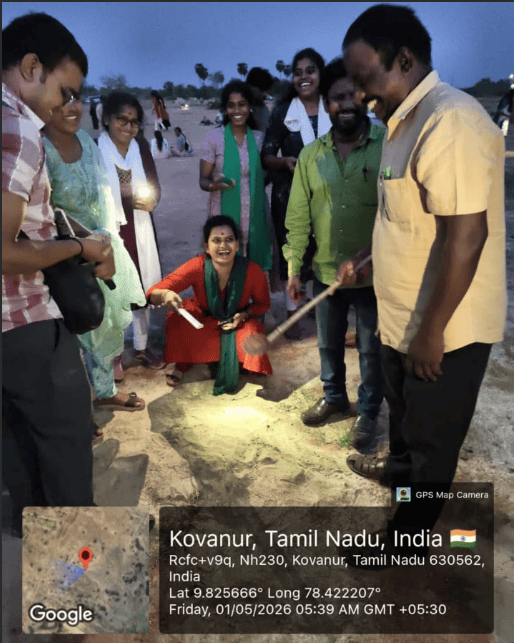
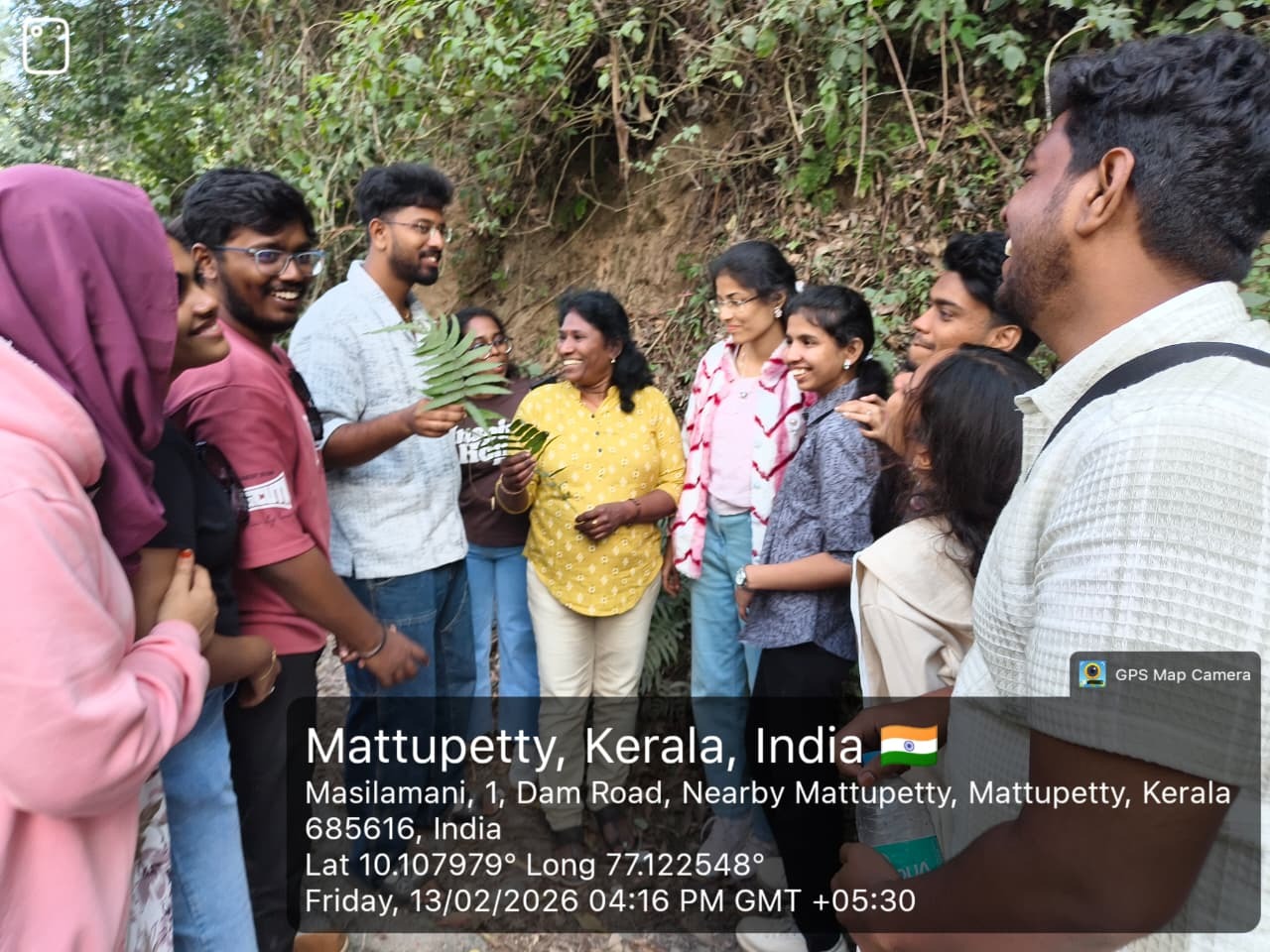
i.Fieldvisits turns abstract Botany lessons into tangible, exciting experience of learning and understanding of Conservation of Natural Resources.
ii. Specimen Study: using Physical specimens for Morphology; using taxonomic keys and comparing with field guides for plant identification.
iii. Seminars and Research Activity:
Inviting guest speakers (plant scientist) and focusing on local Flora. Encouraging student led Ethnobotanical Research among various tribal communities and supporting presentations and documentation of research activities
Inter-disciplinary links: ConnectingBotanytosubjectslikeMateriaMedica, Phytochemistry, Pharmacognosy, Pharmacologyandplantecologytocreate integrated understanding of the subject and for the relevance of the modern challenges in Siddha system.
Department of Gunapadam – Marunthakkaviyal
Gunapadam-Marunthakkaiyal , The Pharmacological branch of Siddha medicine, deals with Identification, Purification, Standardization of raw drugs and other edible substances and therapeutic application of single drug and formulations derived from Herbal, Mineral, and Animal and its Byproducts. Integrated with modern science and increasing interest in Traditional medicine worldwide, The future scope of Marunthakkaviyal holds great promise in Physical, Mental and social healthcare, research, and Global recognition.
A. Drug Standardization and Validation in Gunapadam Marunthakkaviyal
1Adoption of Modern Analytical Tools HPTLC (High Performance Thin Layer Chromatography) – used for fingerprinting of herbal drugs and other formulations ,GC-MS (Gas Chromatography–Mass Spectrometry) – used for identifying volatile and bioactive compounds in a drug and formulation ,NMR (Nuclear Magnetic Resonance) – used for structural elucidation and molecular characterization of plant,mineral,animal-based compounds.
Monographs of single drugs and formulations, Identification tests, chemical standards, and methods of preparation, Stability parameters and preservation techniques
B.Clinical Research and Evidence Generation in Gunapadam Marunthakkaviyal
1.Conducting Randomized Controlled Trials (RCTs) on Widely Used Siddha Medicines RCTs are the gold standard in clinical research and provide high-quality evidence for a drug’s therapeutic effects.
2.Integrating Gunapadam Drugs into Public Health Programs Like Diabetes, Hypertension,Obesity,Arthiritis,Metabolic syndrome,Respiratory illness. 3.Strengthening Pharmacovigilance and Post Market Surveillance
C.Digitization and Artificial Intelligence in Gunapadam-Marunthakkaviyal
1.AI-Assisted Drug Discovery & Reverse Pharmacology Reverse pharmacology begins with clinical experiences and traditional knowledge , then moves backwards to identify active compounds and validate them scientifically. In Ayurveda, AI models like QSAR (Quantitative Structure–Activity Relationship) have been used to predict Anti-diabetic herbs; similar approaches are being proposed for Siddha.
2.Development of Gunapadam Databases and Digital Libraries
3.Machine Learning for Toxicity Prediction and Synergistic Combinations
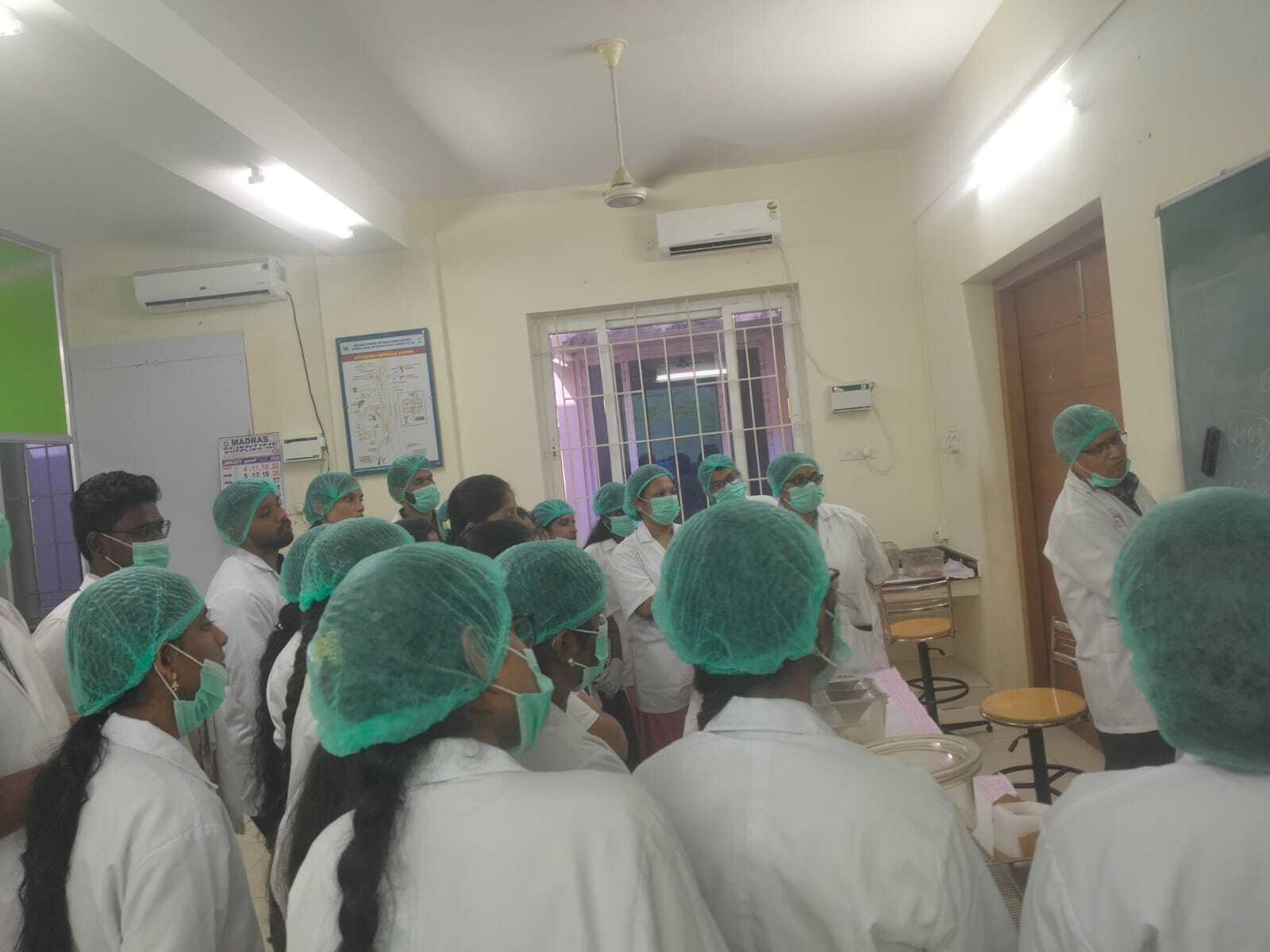
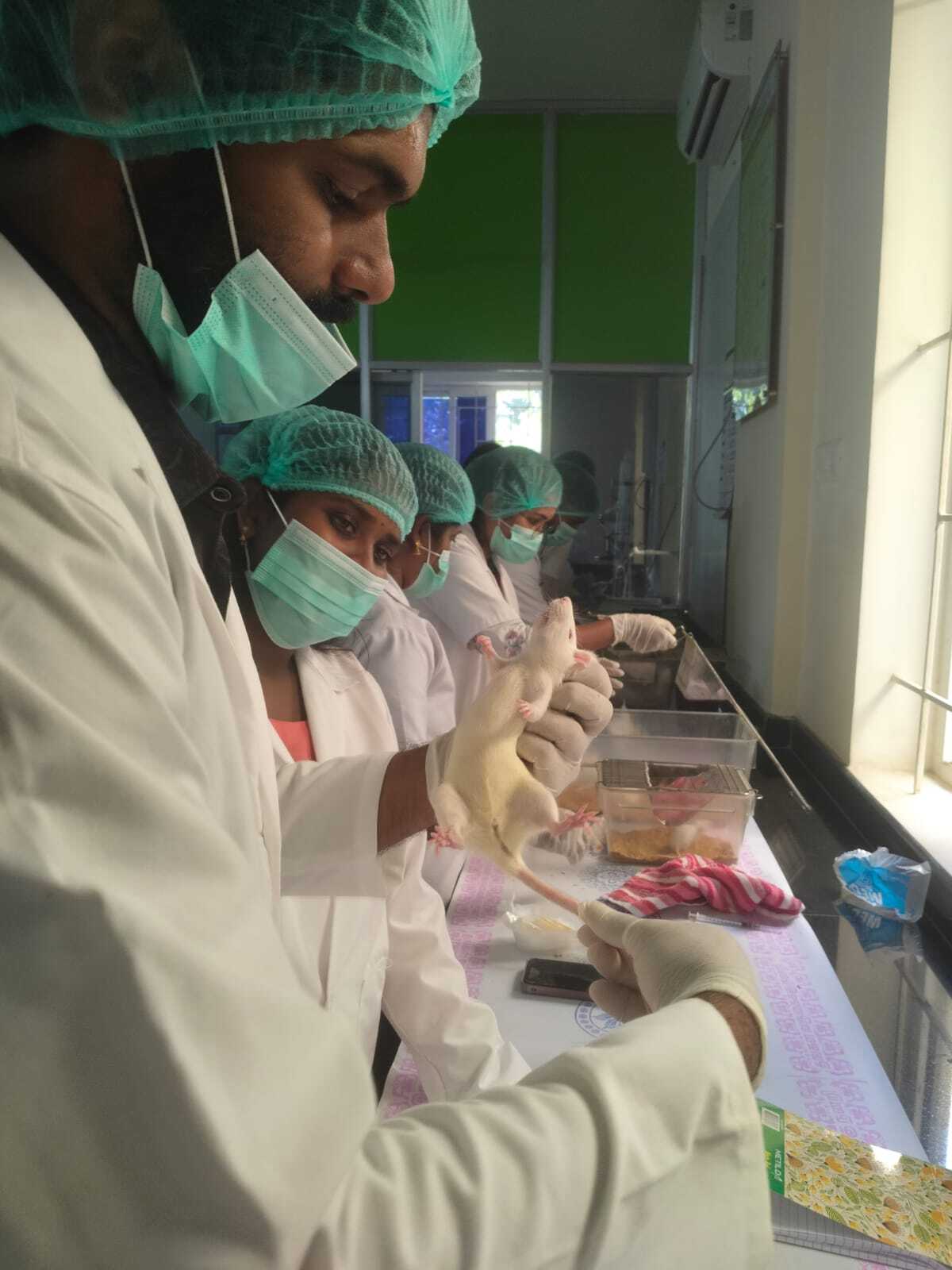
Department of Sattam Sarntha Maruthuvamum nanju maruthuvam
Department of Noi Nadal & Nunnuyiriyal
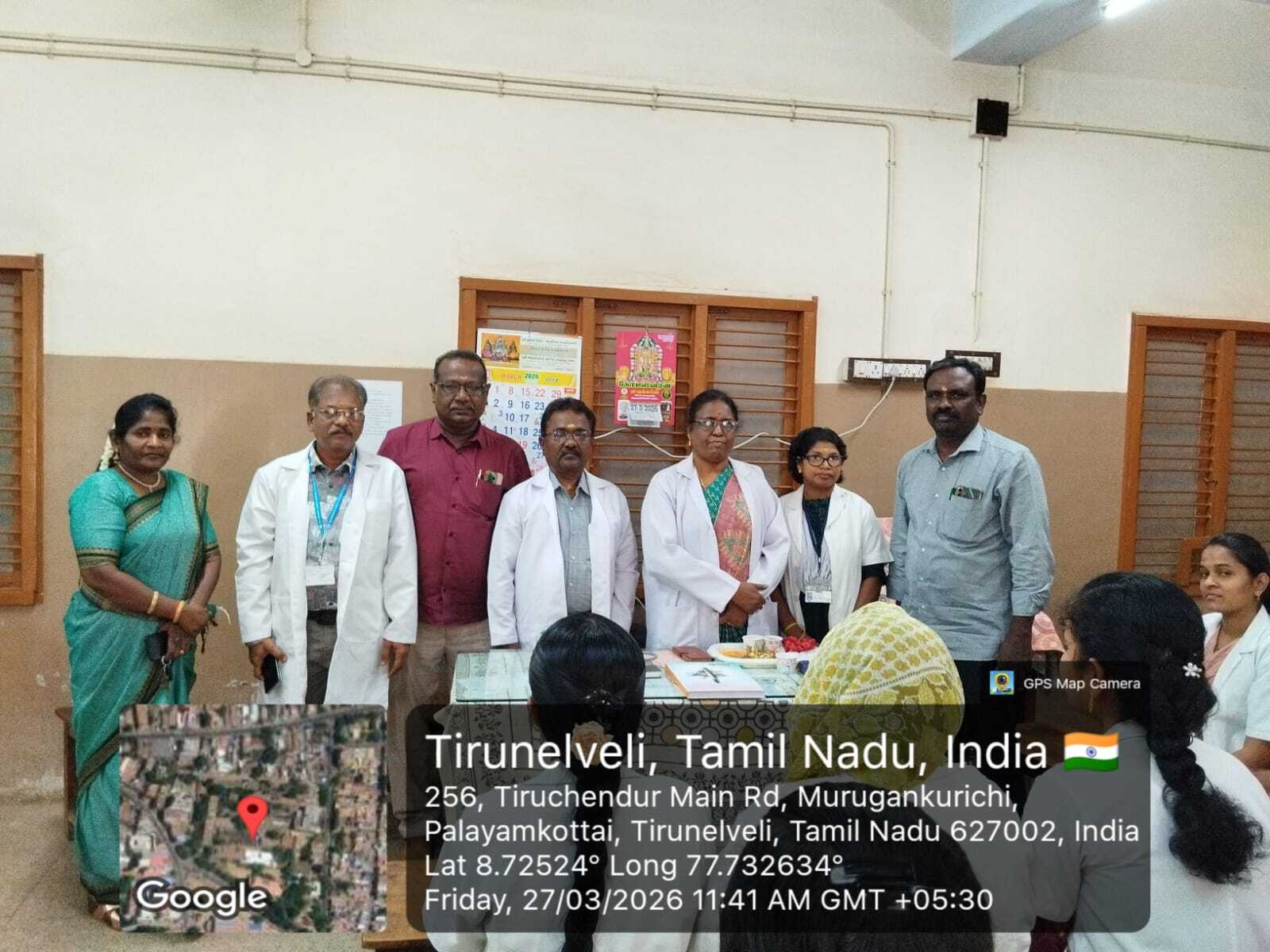
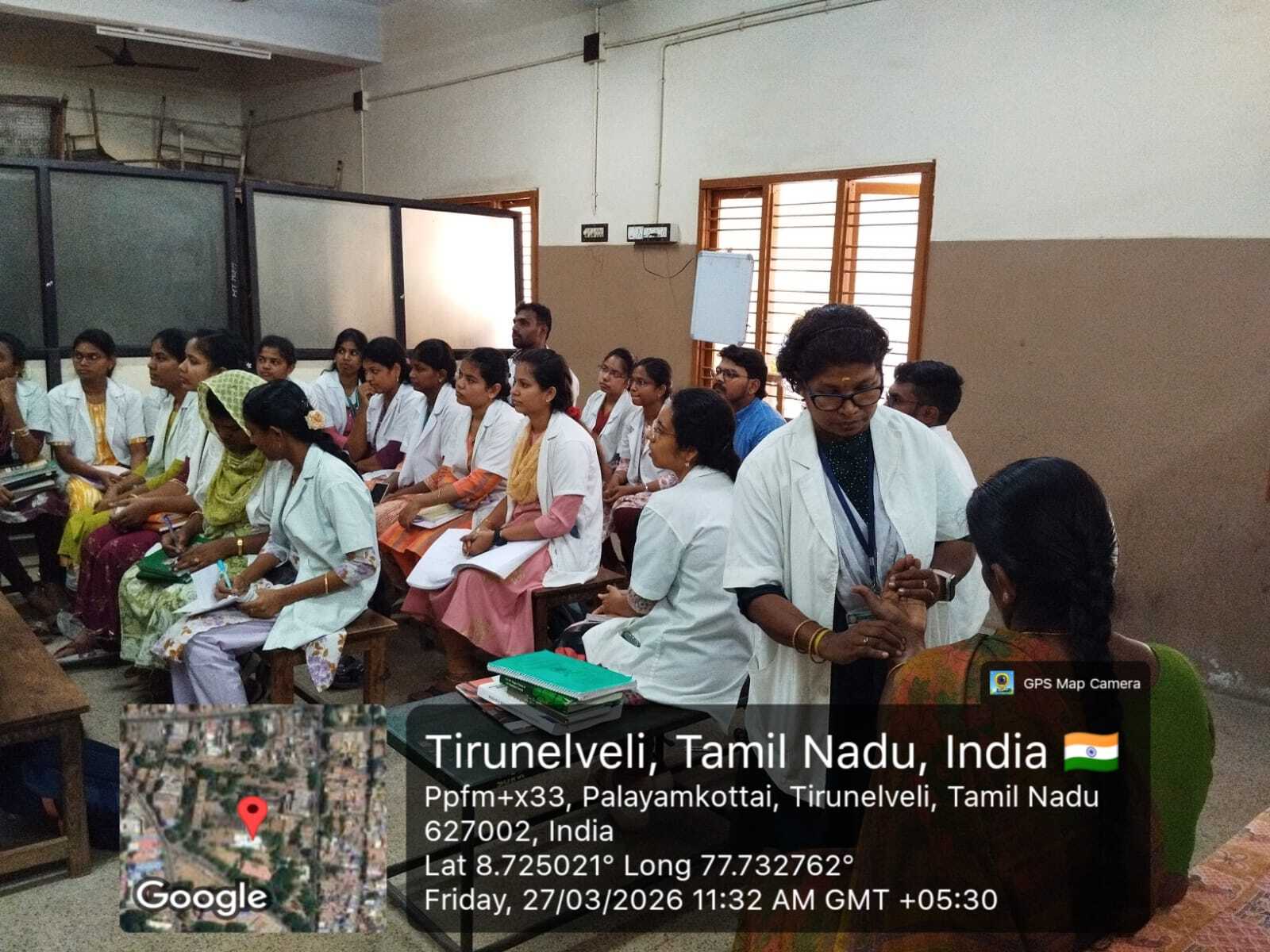
Department of Nunnuyiriyal (Microbiology)
About the Department
The department of Nunnuyiriyal (Microbiology) was started for undergraduate students in the year 2009 in Government Siddha Medical College, Palayamkottai.
The Department of Microbiology is a vibrant and essential component of our esteemed GSMC, dedicated to exploring the unseen fascinating world of microorganisms and their impact on human health. Clinical Microbiology is a specialized branch of medical science that focuses on the study of bacteria, viruses, fungi, and parasites, providing critical insights into infectious diseases, their prevention, diagnosis, and treatment.
Our Motto:
At the Department of Microbiology, our motto is to foster excellence in education as well as clinical practice. We are committed to equipping our students with a deep understanding of the microbial world and its relevance to clinical medicine. Through innovative teaching methods and hands on practical sessions, we aim to cultivate the next generation of skilled clinicians.
Laboratory:
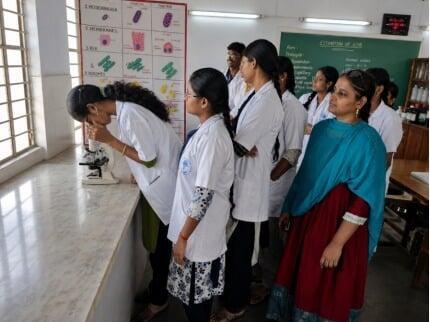
Our Laboratory is equipped for staining, culturing and identifying microorganism, Dedicated areas of serology and immunology are also included in specialised units.
The department emphasizes practical-oriented learning through:
·Microscopic examination
·Gram staining and special staining techniques
·Culture and sensitivity testing
·Identification of microorganisms
·Sterilization procedures
·Specimen collection and handling
·Observation of clinical samples
·Demonstration of diagnostic microbiological techniques
These practical sessions help students correlate theoretical knowledge with clinical applications and improve laboratory competency
Microbiology Department also plays a key role in Infection Control and Biomedical Waste Management Committee.
Academic and Co-Curricular Activities:
To enhance students’ academic performance and professional development, the department regularly organizes:
·Continuing Medical Education (CME) programmes
·Seminars and guest lectures
·Quiz competitions
·Group discussions
·Workshops and awareness programmes
·Field visits to laboratories and healthcare institutions
·Research-oriented academic activities
·Journal Club Activities
·Paper Presentations in Conferences
These programmes encourage active student participation, improve communication skills, strengthen scientific understanding, create a better understanding about the subject for the students which makes them stronger in academics to face the Competency Based Curriculum.
Department of Noi Anugaa Vidhi ozhukkam Including
Research Methodology and Medical statistics
Department of Noi Anugaa Vidhi ozhukkam
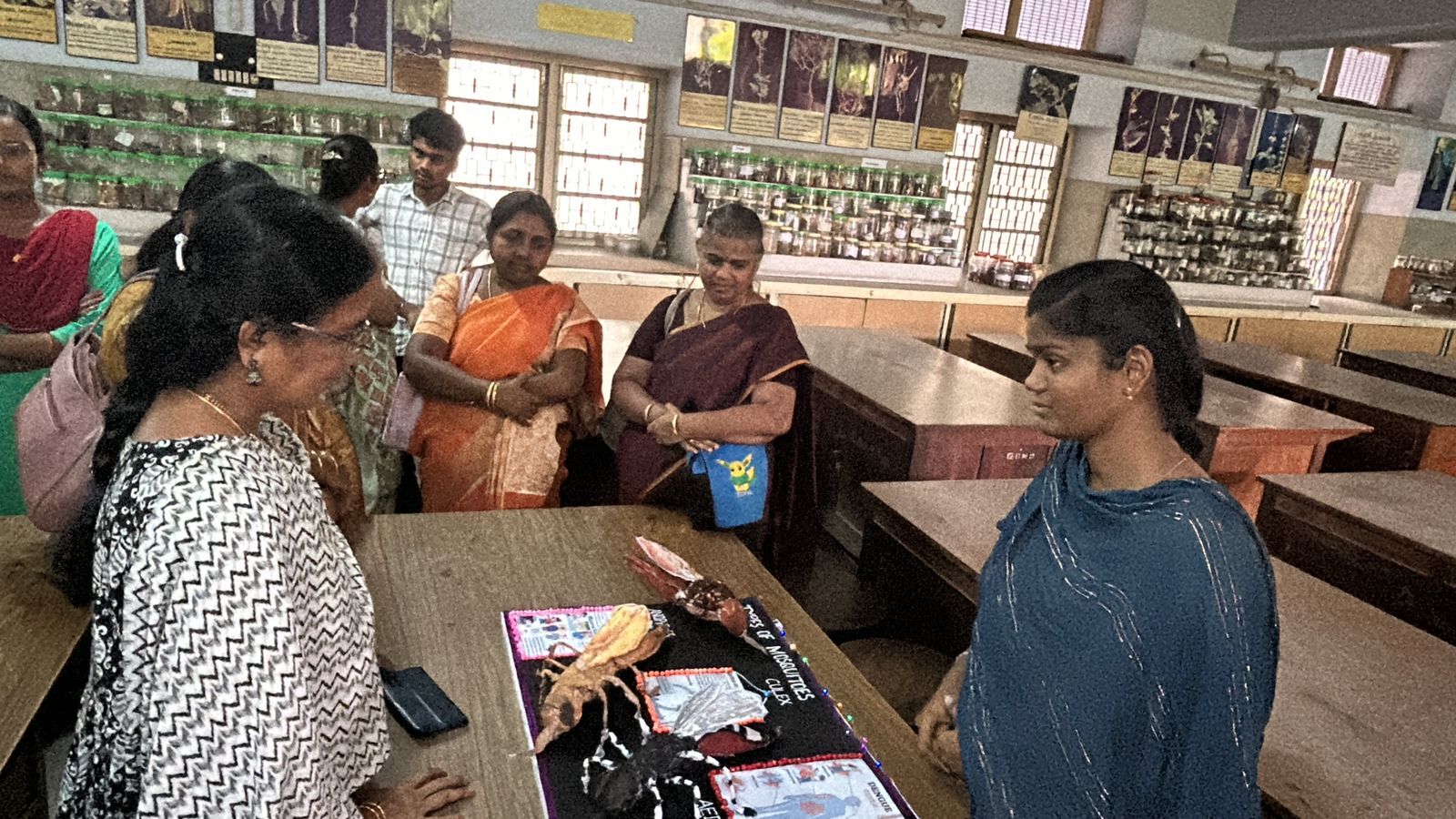
The Department of Principles and Disciplines of Disease Prevention and Public Health in Siddha Medicine is dedicated to the study of health as a wholesome and integrated concept, emphasizing the well-being of the community as a whole rather than the individual alone. Long before the modern articulation of one health by the World Health Organization, Siddhars had elaborated comprehensive concepts of community health as the foundation of individual well-being. Rooted in classical Siddha texts, Thirukkural, and ancient Tamil medical wisdom, the department places disease prevention at the core of medical education and practice. This subject provides a comprehensive Siddha-based understanding of disease prevention and public health by emphasizing wholesome community health through disciplined lifestyle, diet and environmental factors.
The subject includes systematic study of water quality, its health benefits, waterborne diseases, and traditional methods of water purification, highlighting the central role of safe water in public health. It also examines the influence of fire and solar energy on health, metabolism, and immunity, along with the therapeutic and preventive role of music, sound, and vibrations in maintaining mental and sensory health. Considerable emphasis is placed on the five seasons ( Kaalam) and corresponding habit regimens, guiding appropriate lifestyle and dietary modifications to prevent seasonal diseases. The curriculum further addresses health preservation through proper regulation of the five senses (Aindhu Pulan), recognizing sensory discipline as essential to disease prevention. Siddha medicine regards diet as a primary tool of preventive healthcare, and students are trained in Pathiyam, the disciplined selection and use of food based on individual constitution and disease susceptibility. The syllabus is organized into eleven comprehensive chapters specifically designed to equip students with structured knowledge of preventive Siddha principles, public health concepts, nutrition, epidemiology, health education, public health programmes, government health schemes, and relevant public health laws, enabling effective participation in community and national health initiatives.
Academic and Teaching Activities:
- Classroom instruction integrating classical Siddha texts with modern public health principles.
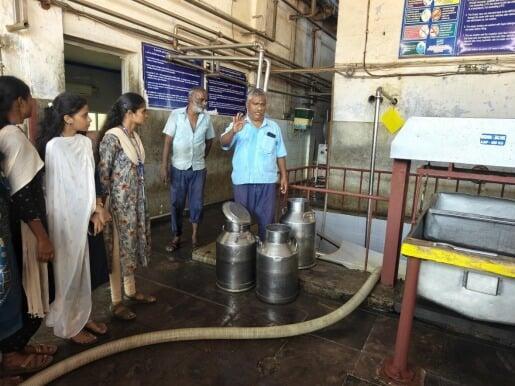
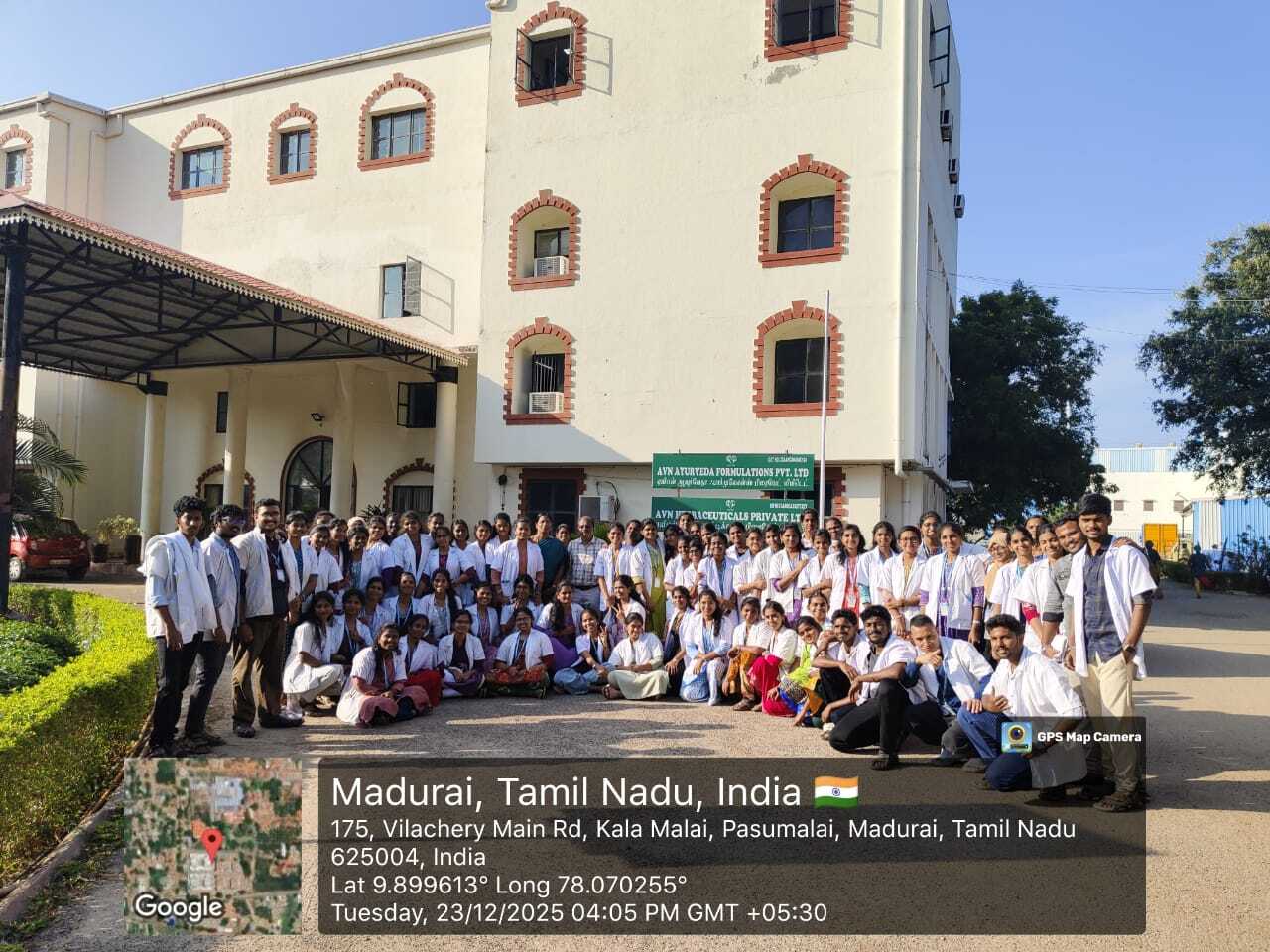
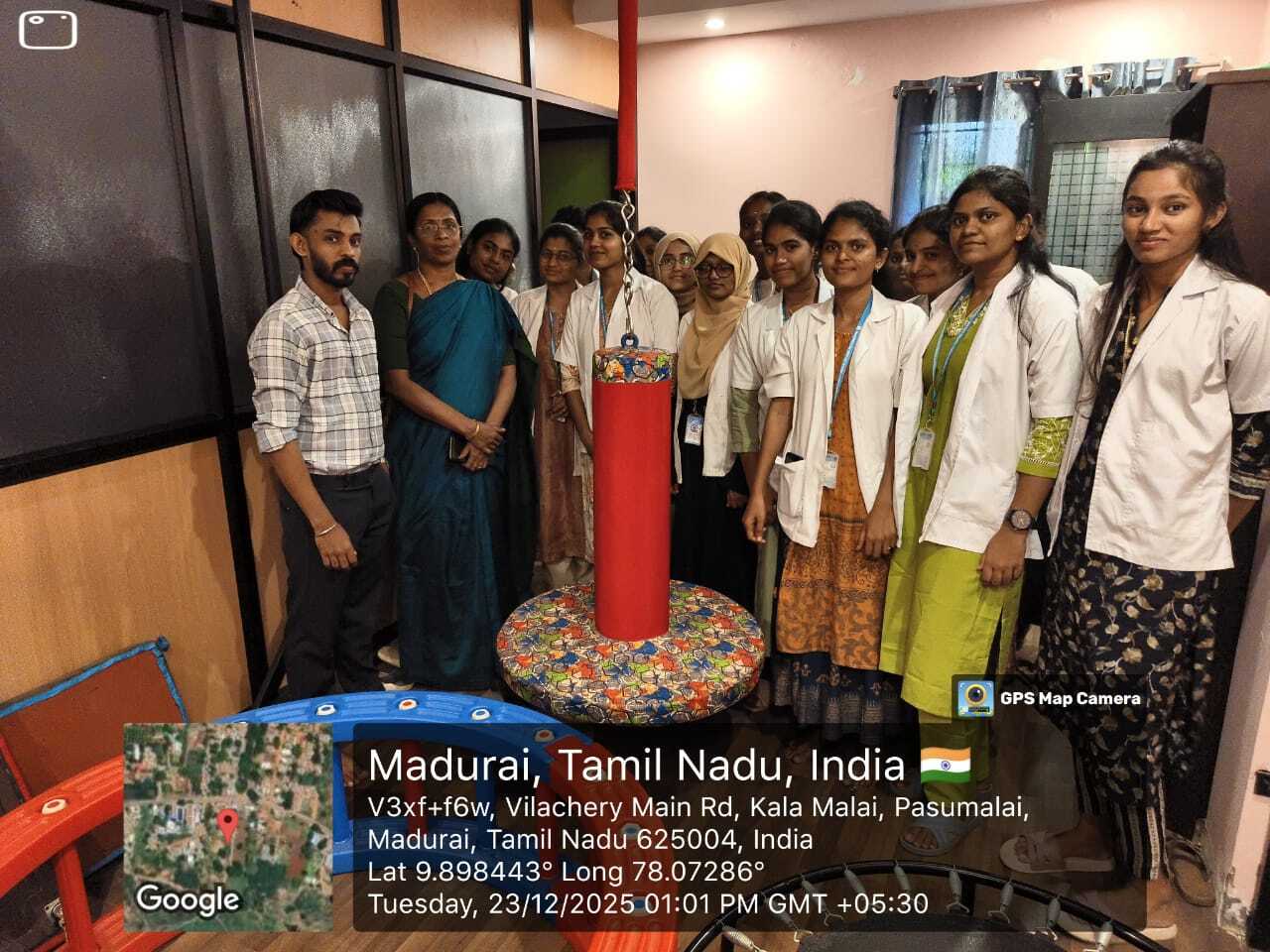
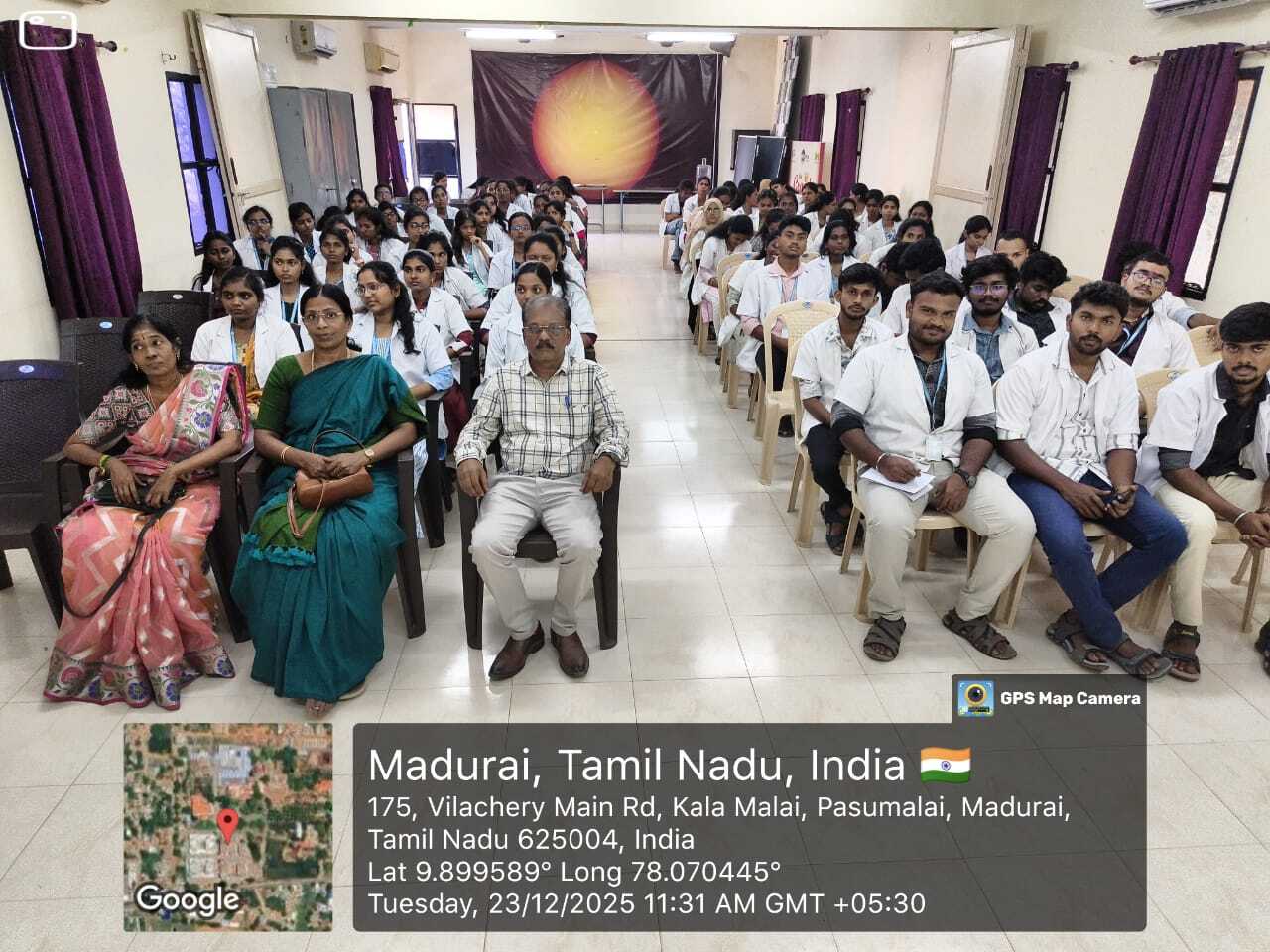
- Field exposure through community health programs, hospital visits, industry visits and awareness campaigns.
- Training in health promotion, disease prevention strategies, and lifestyle counseling.
- Participation in national and state-level public health initiatives.
Professional Scope and Career Opportunities for Siddha Practitioners in Preventive and Public Health:
i.Employment as Siddha Medical Officers in government hospitals, dispensaries, and public health institutions.
ii.Participation in government health programmes, disease surveillance, and epidemic control activities.
iii.Practice as preventive and lifestyle health consultants, especially for non-communicable diseases through diet and daily discipline.
iv.Roles in public health education and community outreach, conducting awareness and prevention programmes.
v.Opportunities in teaching, research, and integrative public health initiatives.
Research Methodology and Medical statistics
Overview
The Department of Research Methodology and Medical Statistics focuses on developing scientific thinking, research aptitude, and statistical skills among Siddha medical students in accordance with the NCISM curriculum. The department provides training in research methodology, evidence-based medicine, biostatistics, research ethics, scientific writing, literature search, data analysis, and publication practices. Students are trained in various research designs, medical databases, reporting guidelines, and statistical software to strengthen evidence-based Siddha healthcare.
Research
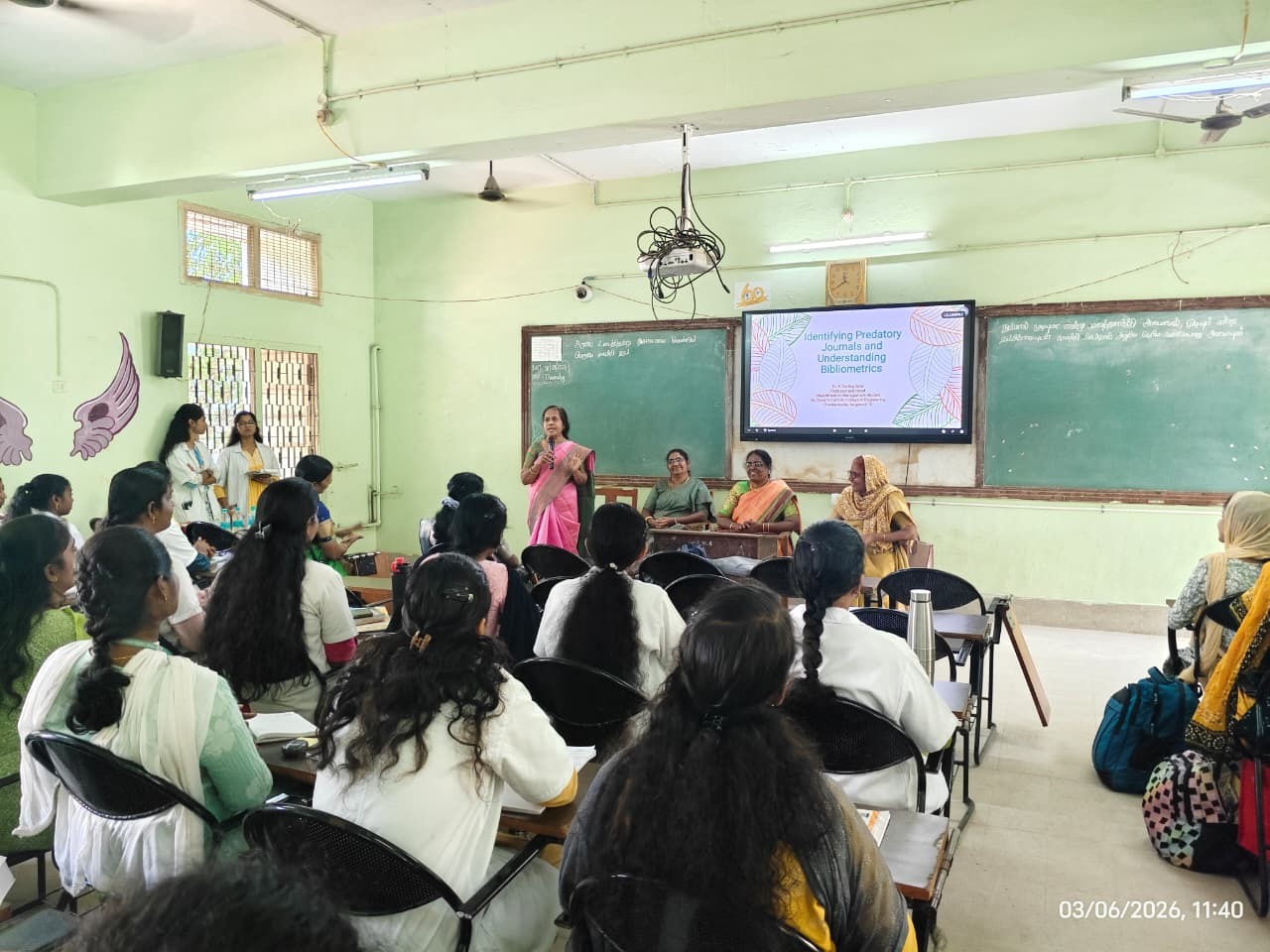
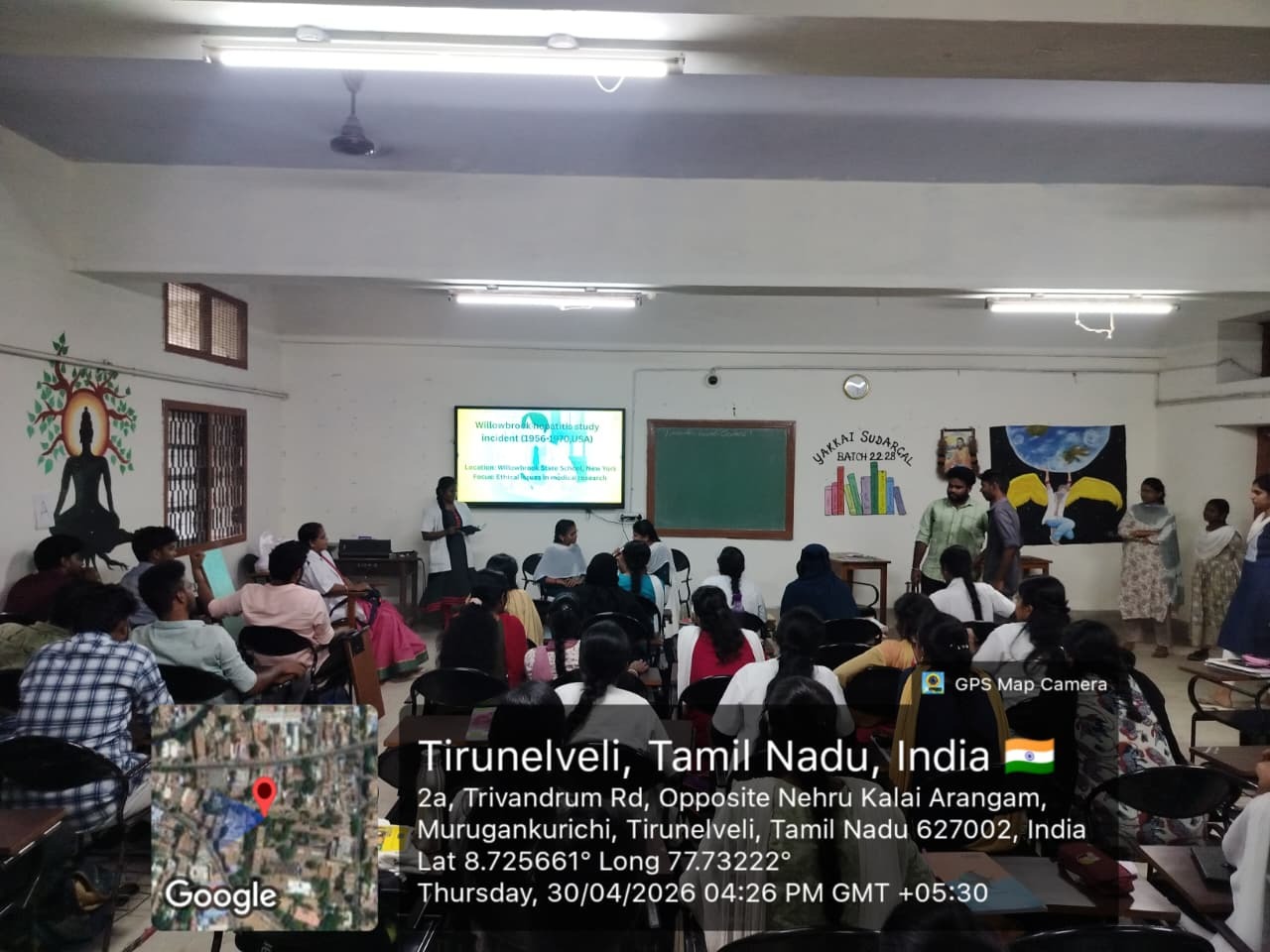
The department emphasizes experiential learning through seminars, workshops, demonstrations, research presentations, field visits, and critical appraisal of research articles. It encourages students to participate actively in research projects, conferences, and publication activities for the scientific advancement of Siddha medicine.
Conferences
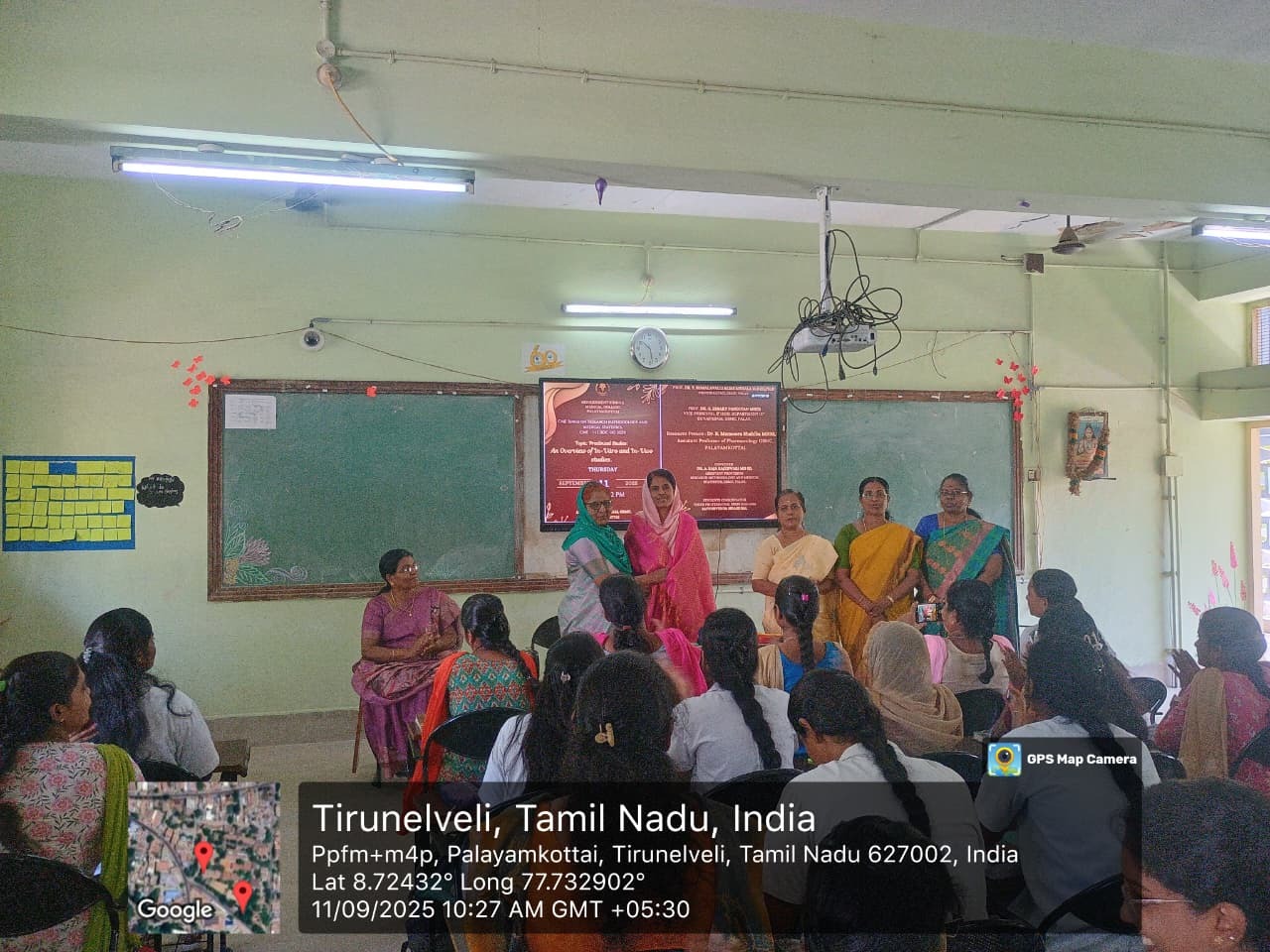
The department has been a pioneer in providing academic platforms for Siddha research dissemination. Between 2019 and 2024, six State, National, and International conferences were organized, enabling postgraduate students to present their research work and interact with experts.
Major academic events include State-level seminars, International conferences, NCRQS 2024 (National Conference on Recent Trends and Techniques in Qualitative and Quantitative Research) and ICEERS 2024 (International Conference on Exploring Evidence-Based Research in Siddha System of Medicine). Conference proceedings with ISBN numbers were released, documenting postgraduate research contributions and enhancing institutional visibility.
Achievements
The department has successfully guided over 400 postgraduate minor research projects, establishing a strong and sustainable research culture in Siddha education. Students have presented their research at national and international forums, receiving recognition through awards, certificates, and published proceedings.
The Department of Research Methodology and Medical Statistics has emerged as a trailblazer in epidemiological and evidence-based Siddha research, contributing significantly to academic excellence, research capacity building, and the advancement of Siddha medicine.
Department of Pothu Maruthuvam
The department of POTHU MARUTHUVAM as a undergraduate (final year subject ) was started in the year 1964. Our undergraduate training program focuses on enhancing students’ diagnostic skills, clinical decision-making abilities, patient care practices, and professional ethics. Students are encouraged to actively participate in both outpatient and inpatient management under the guidance of experienced faculty members.
As part of the academic curriculum, undergraduate students undergo a rigorous 3-month internship training program in the Department of Pothu Maruthuvam. During this internship period, students are actively involved in:
·Outpatient (OP) clinical duties
·Inpatient (IP) ward management
·Case taking and clinical examination
·Patient monitoring and follow-up
·Exposure to various general medical conditions
Practical therapeutic procedures and treatment approachesSpecial op:
The department conducts various Special Outpatient Departments (Special OPDs) to provide specialized clinical exposure and enhance practical training for postgraduate students. The special clinics conducted are:
·Peenisam Special OPD
·Madhumegam Special OPD
·Iraippu Irumal Special OPD
·Athikuruthi Azhutham Special OPD
The department also offers extensive inpatient clinical training facilities with more than 100 beds .
Every year, nearly 100 undergraduate students successfully complete their internship training in the Department of Pothu Maruthuvam and move forward as skilled Siddha medical graduates prepared to serve society with dedication and professionalism.
POSTGRADUATION:
The department of Pothu maruthuvam has been steadily grown and as an upgradation as 3 year post graduate was introduced in the year 1972.
The Postgraduate Department of Pothu Maruthuvam is dedicated to advancing the clinical knowledge, research aptitude, and professional competency of postgraduate students through specialized academic and practical training.
The department provides intensive clinical orientation with enhanced practical exposure in both Outpatient (OP) and Inpatient (IP) services, enabling students to develop expertise in the management of various medical conditions through Siddha principles and practice.
Every year, nearly 10 postgraduate students successfully complete their training and emerge as qualified General Siddha Physicians, Teachers and Researchers
Special op:
To provide specialized clinical exposure and service, the department conducts:
·Special OP for AIDS and Cancer
·Dyslipidemia and Cardiac Special OP
The department also offers extensive inpatient clinical training facilities with more than 40 beds .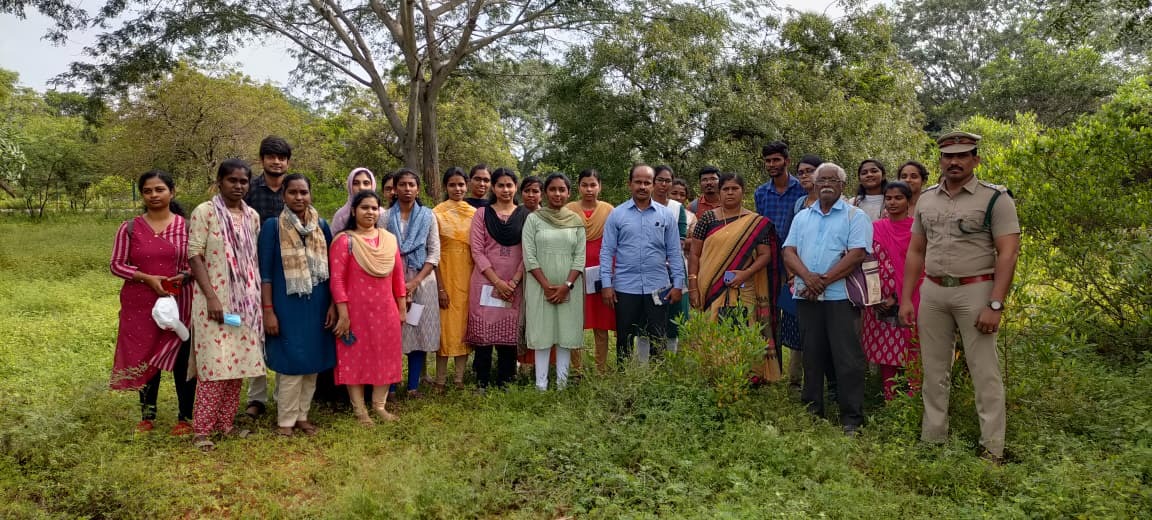
Department of Sirappu Maruthuvam
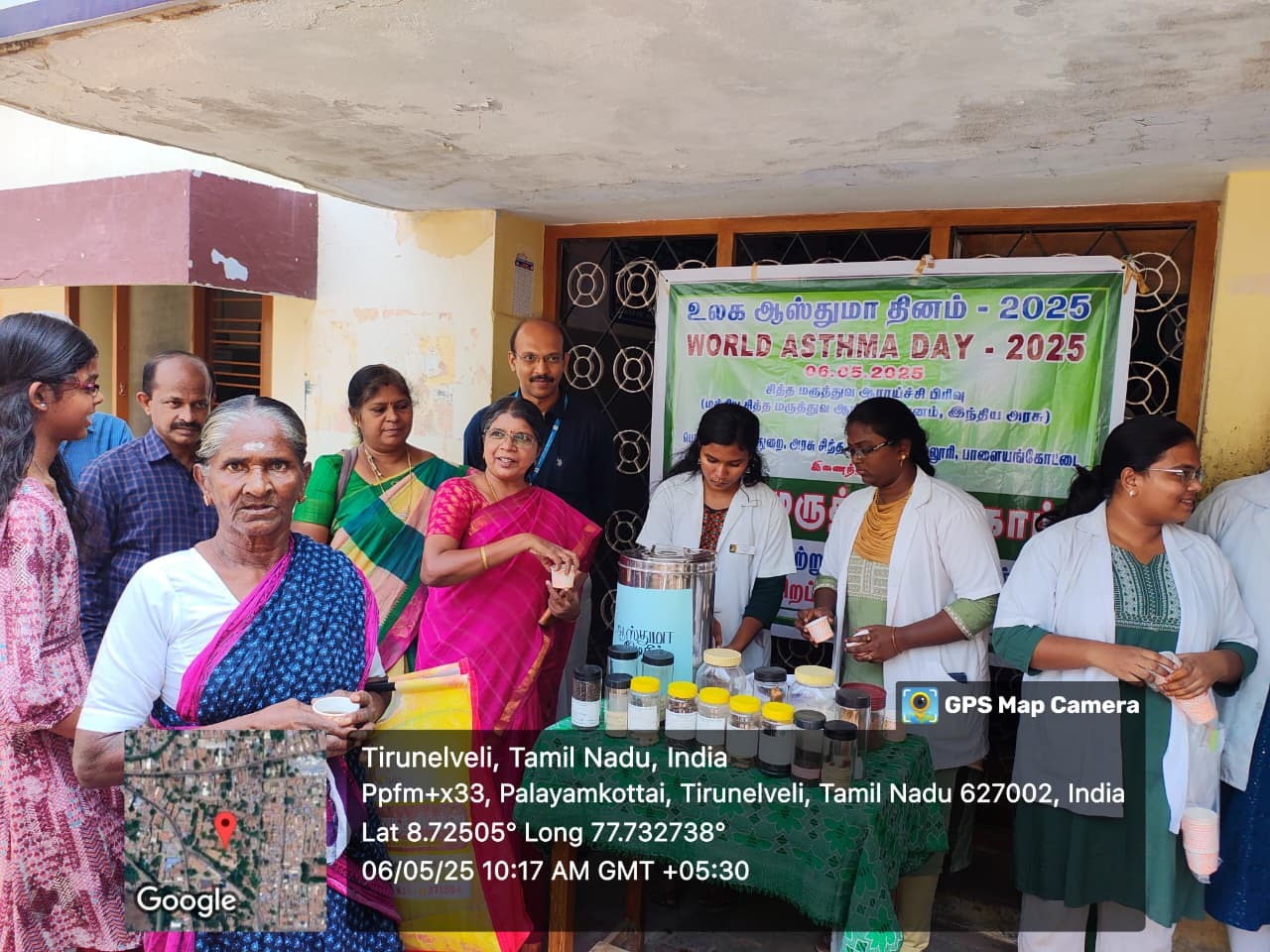
Sirappu Maruthuvam is one of the unique branches of Siddha medicine that mainly focuses on external therapeutic procedures and specialized treatment methods. These therapies are widely utilized for the management of neurological, musculoskeletal, dermatological, Psychiatric and lifestyle-related disorders.
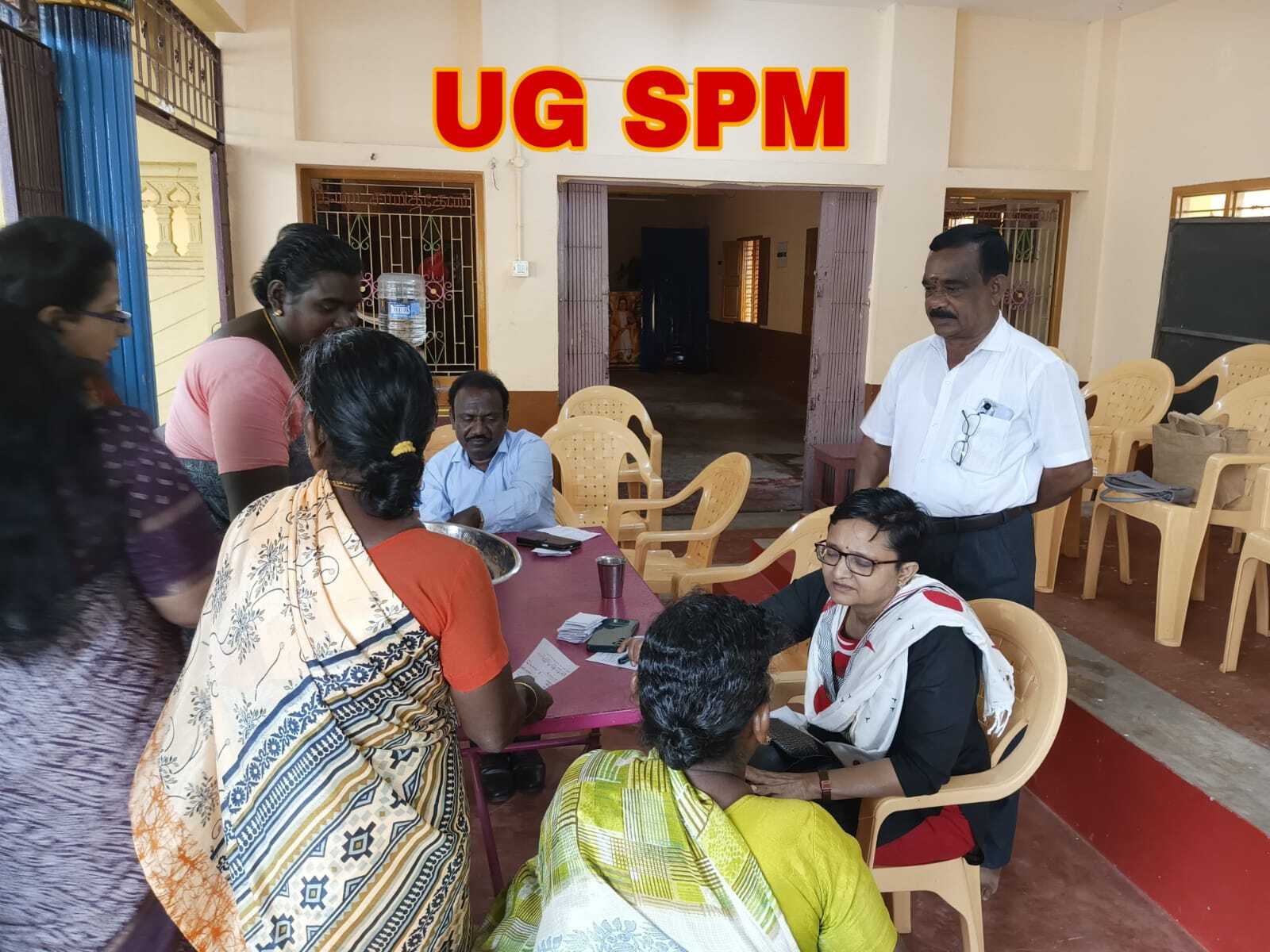
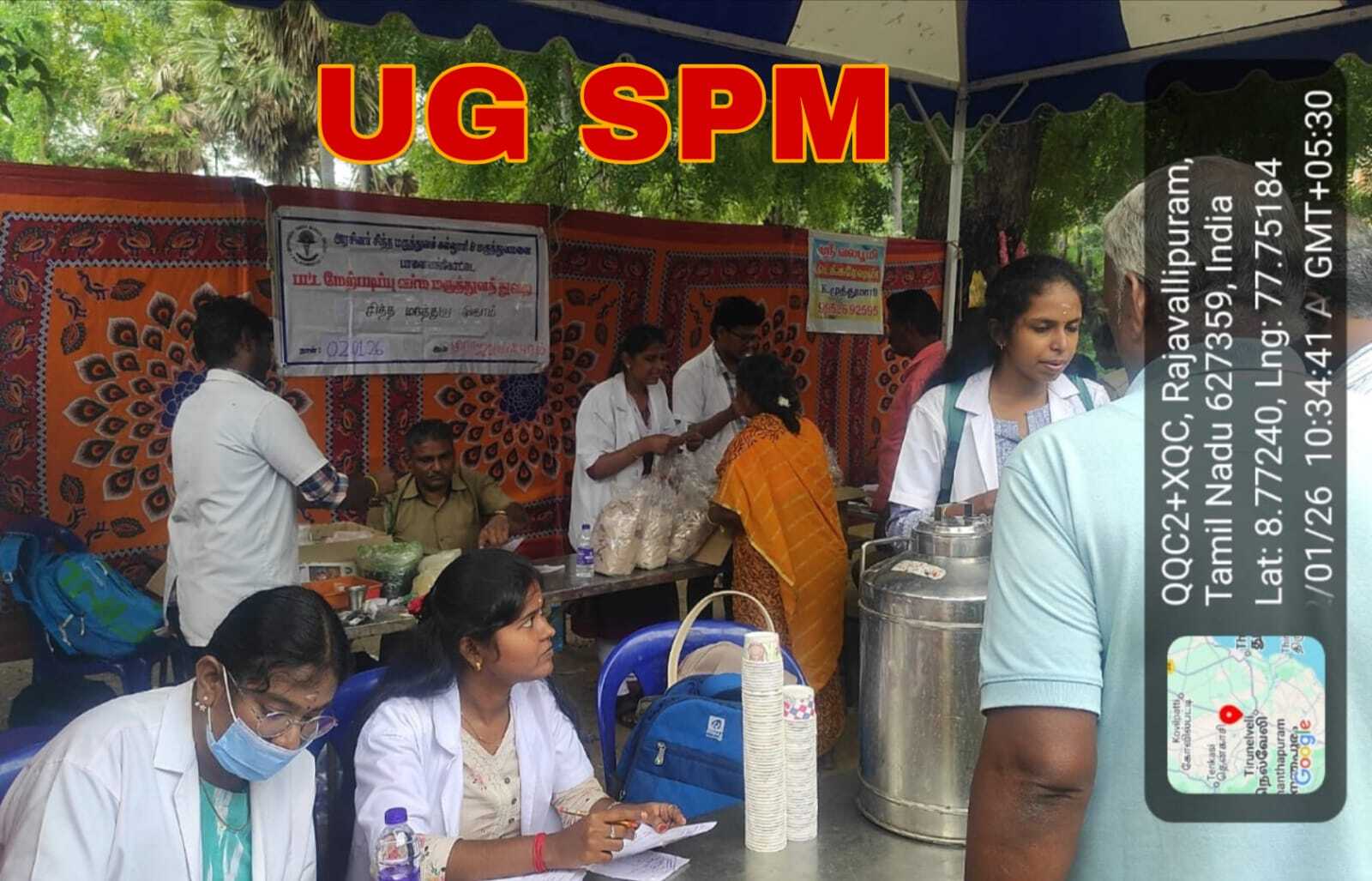
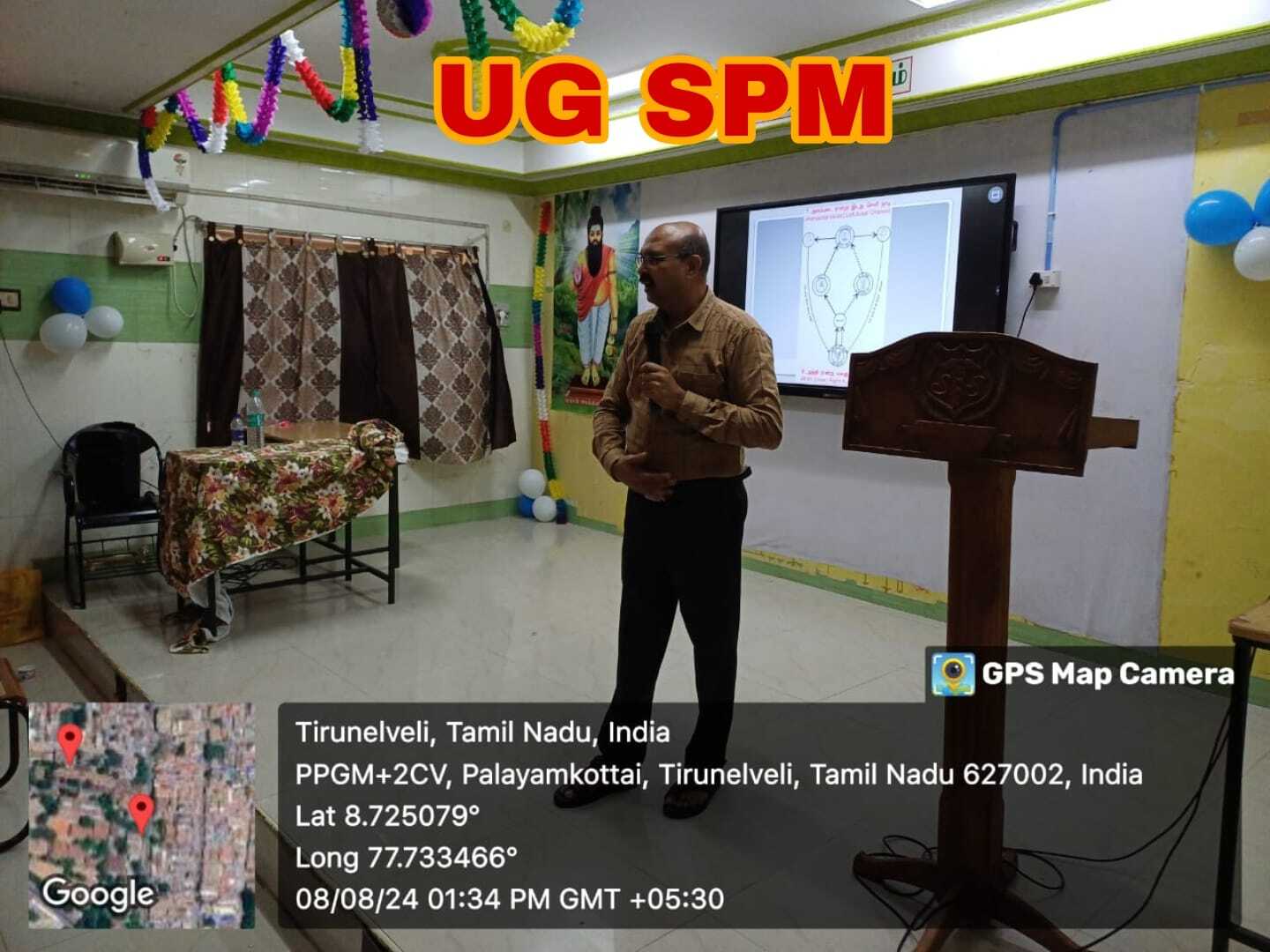
Traditional Siddha external therapies have been practiced for generations in Tamil culture as preventive, promotive, and curative healthcare approaches. The department emphasizes preserving these traditional practices while integrating scientific and clinical perspectives for modern healthcare applications. Students are trained to understand the therapeutic principles, indications, contraindications, and clinical applications of various Siddha external treatment procedures
SPECIALIZED TREATMENT METHODS PRACTICED
Under the guidance of experienced faculty members, several specialized Siddha therapeutic procedures are demonstrated and practiced in the department. These include:
●Thokkanam (Therapeutic massage)
●Podi Thimirthal
●Ottradam
●Pugai
●Varmam
●Steam therapies
●Bandaging methods
●Traditional rehabilitation procedures
●Yoga practice
●Tharai
●Thappalam & thalam
These therapies are commonly utilized for conditions such as:
●Neuromuscular disorders
●Musculoskeletal conditions
●Sports injuries
●Paralytic disorders
●Chronic inflammatory conditions
●Stress-related disorders
Department of Varma Maruthuvam
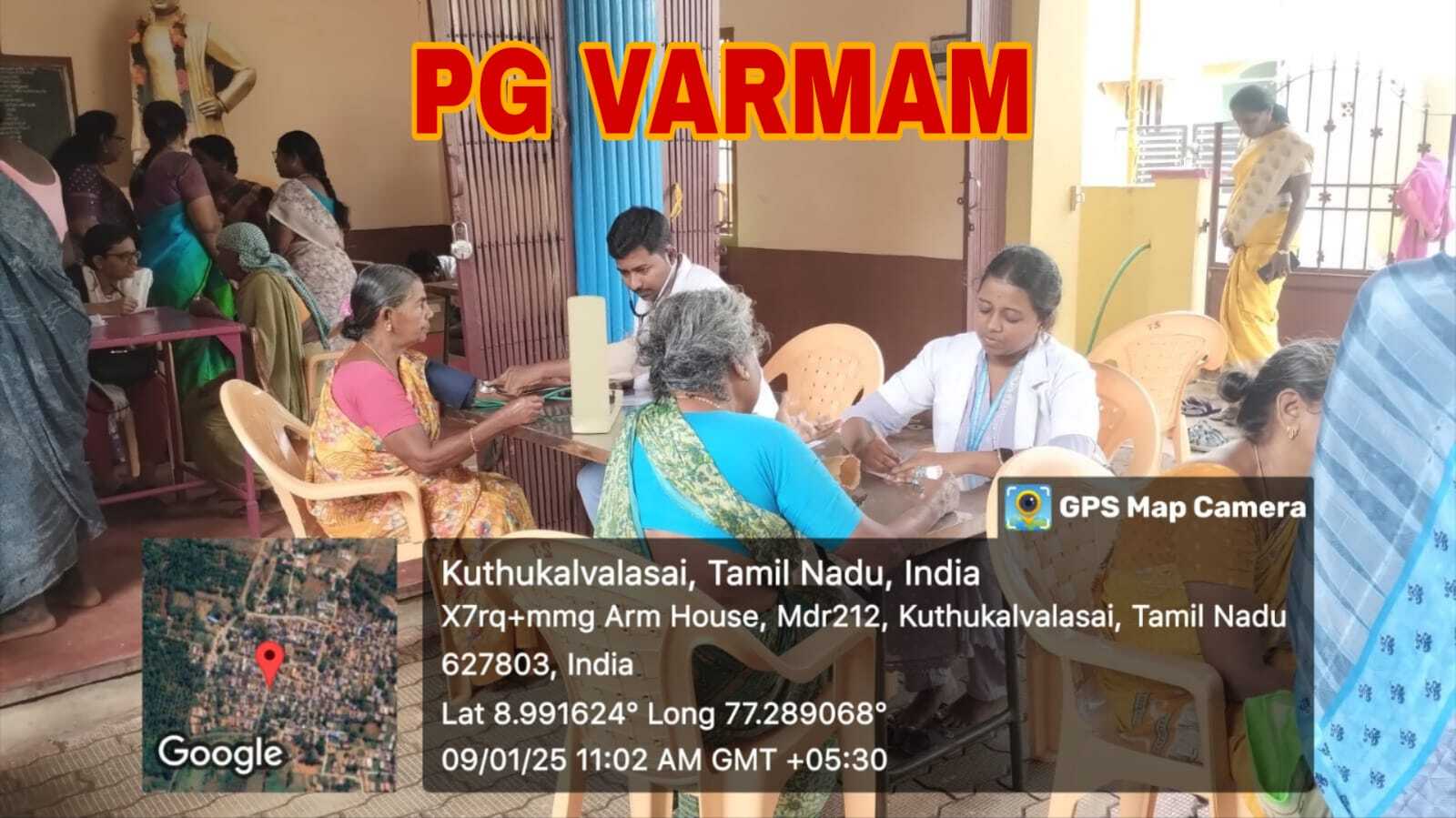
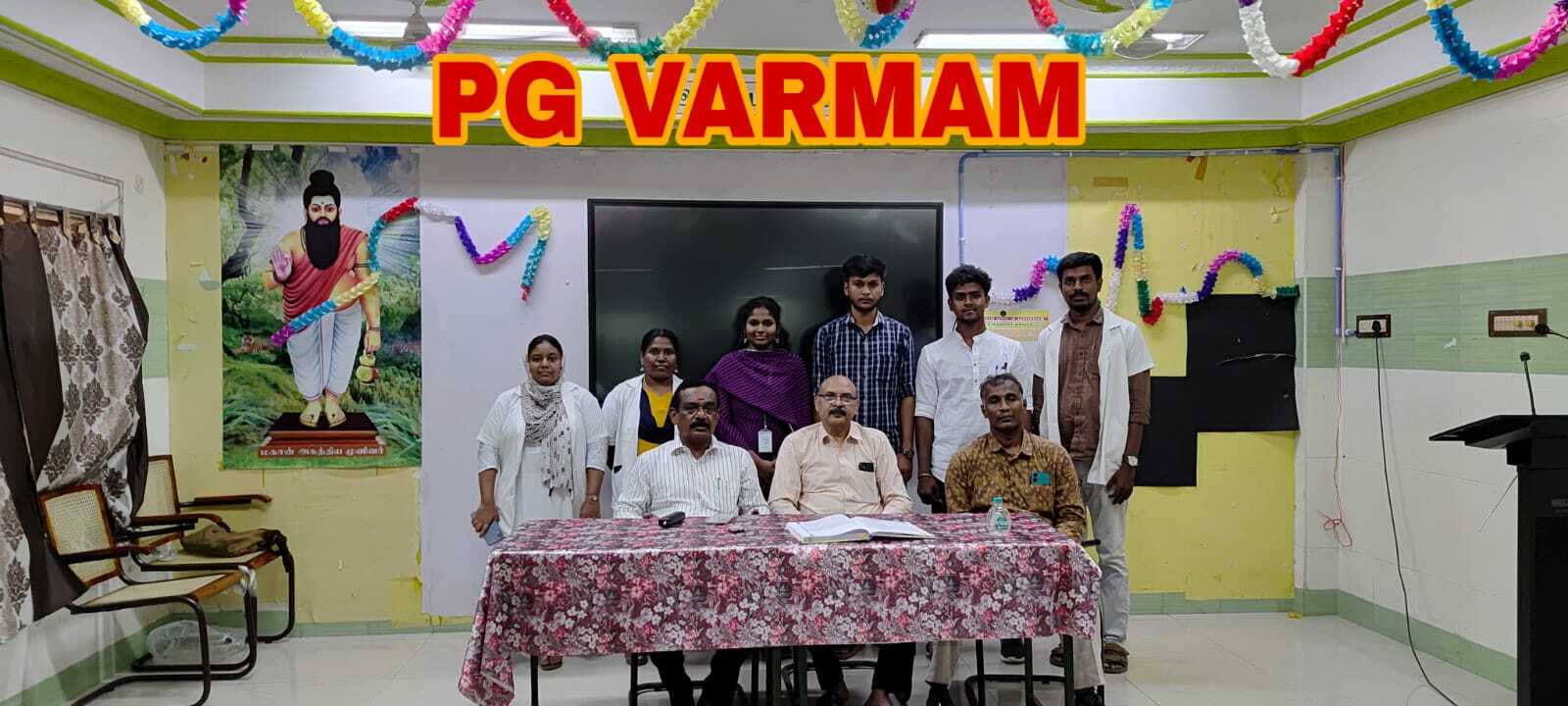
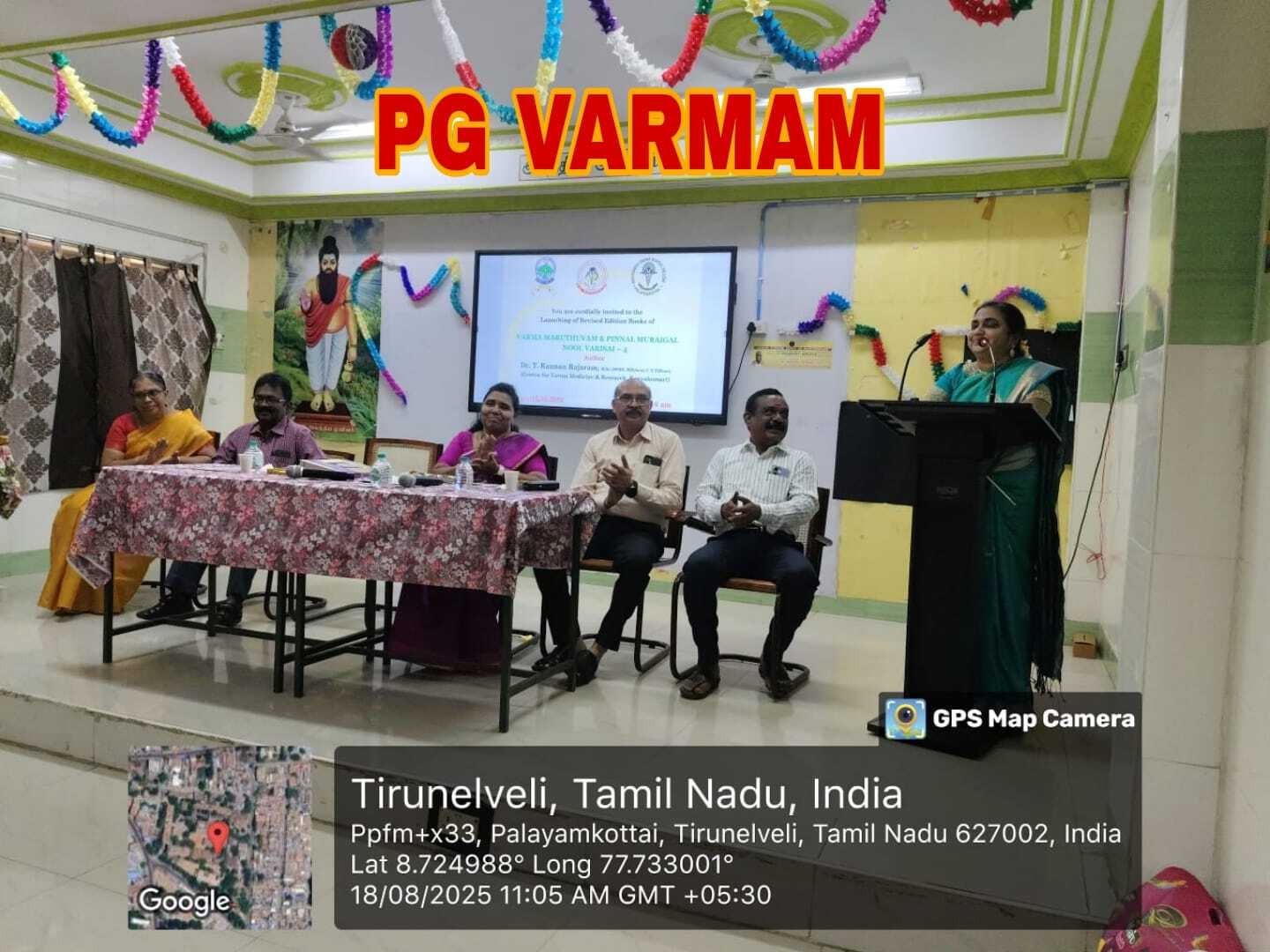
The Government Siddha Medical College and Hospital has been functioning successfully since 1964 as the first Government Siddha Medical College. The Postgraduate special medicine Department was established in 1996, and 10 PG Scholars were trained annually. Later, in 2017, it was reorganized into three major departments: Department of Varmam, Pura maruthuvam, and Siddhar Yoga Maruthuvam.In the Department of Postgraduate Varmam , 3 PG Scholars are admitted every academic year on a proportional basis. From the academic year 2025 onwards, students are being trained under the new CBDC curriculum with a six-semester examination system
SPECIALIZED TREATMENT METHODS PRACTICED
Under the guidance of experienced faculty members, several specialized Siddha therapeutic procedures are demonstrated and practiced in the department. These include:
●Thokkanam (Therapeutic massage)
●Podi Thimirthal
●Ottradam
●Pugai
●Varmam
●Steam therapies
●Bandaging methods
●Traditional rehabilitation procedures
●Yoga practice
●Tharai
●Thappalam & thalam
These therapies are commonly utilized for conditions such as:
●Neuromuscular disorders
●Musculoskeletal conditions
●Sports injuries
●Paralytic disorders
●Chronic inflammatory conditions
●Stress-related disorders
Department of Pura Maruthuvam
Overview
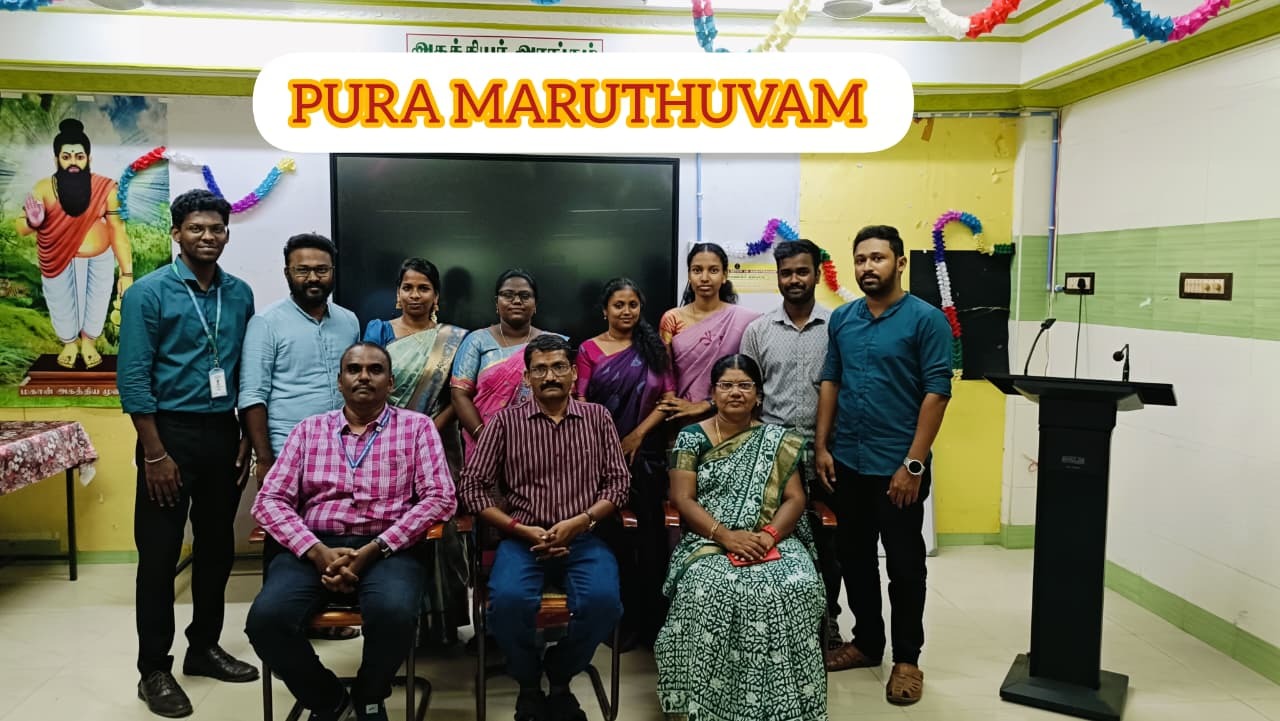
The Department of Sirapu Medicine was initially established in 1987. To further strengthen and develop specialized branches of Siddha medicine, it was categorized in 2017 into three separate departments:
·Varma Maruthuvam
·Pura Maruthuvam (External Medicine)
·Siddhar Yoga Maruthuvam
Since then, the Department of Pura Maruthuvam has been functioning independently with distinction and commitment.
Vision
To become a center of excellence in Siddha External Therapy education, research, and patient care by preserving and advancing the traditional principles of Pura Maruthuvam while integrating innovative therapeutic and rehabilitation practices for holistic healthcare and improved quality of life.
Mission
To provide effective, safe, and holistic Siddha external therapeutic treatments for various neurological, musculoskeletal, lifestyle, pediatric neurological and rehabilitative disorders through classical and modern therapeutic approaches.
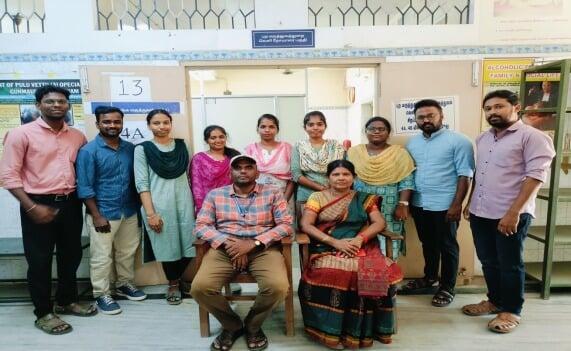
To train competent postgraduate scholars with strong academic knowledge, clinical expertise, ethical values, and research skills in Pura Maruthuvam (External Medicine).
To promote research and scientific validation of Siddha external therapies through innovative studies, laboratory investigations, conferences, and academic dissemination. .
To organize community outreach programs, medical camps, health education activities, and awareness programs that encourage preventive healthcare and healthy lifestyle practices.
To enhance rehabilitation outcomes and improve the overall well-being of patients through comprehensive therapeutic exercise programs and specialized external therapies.
Specialized Treatment Procedures
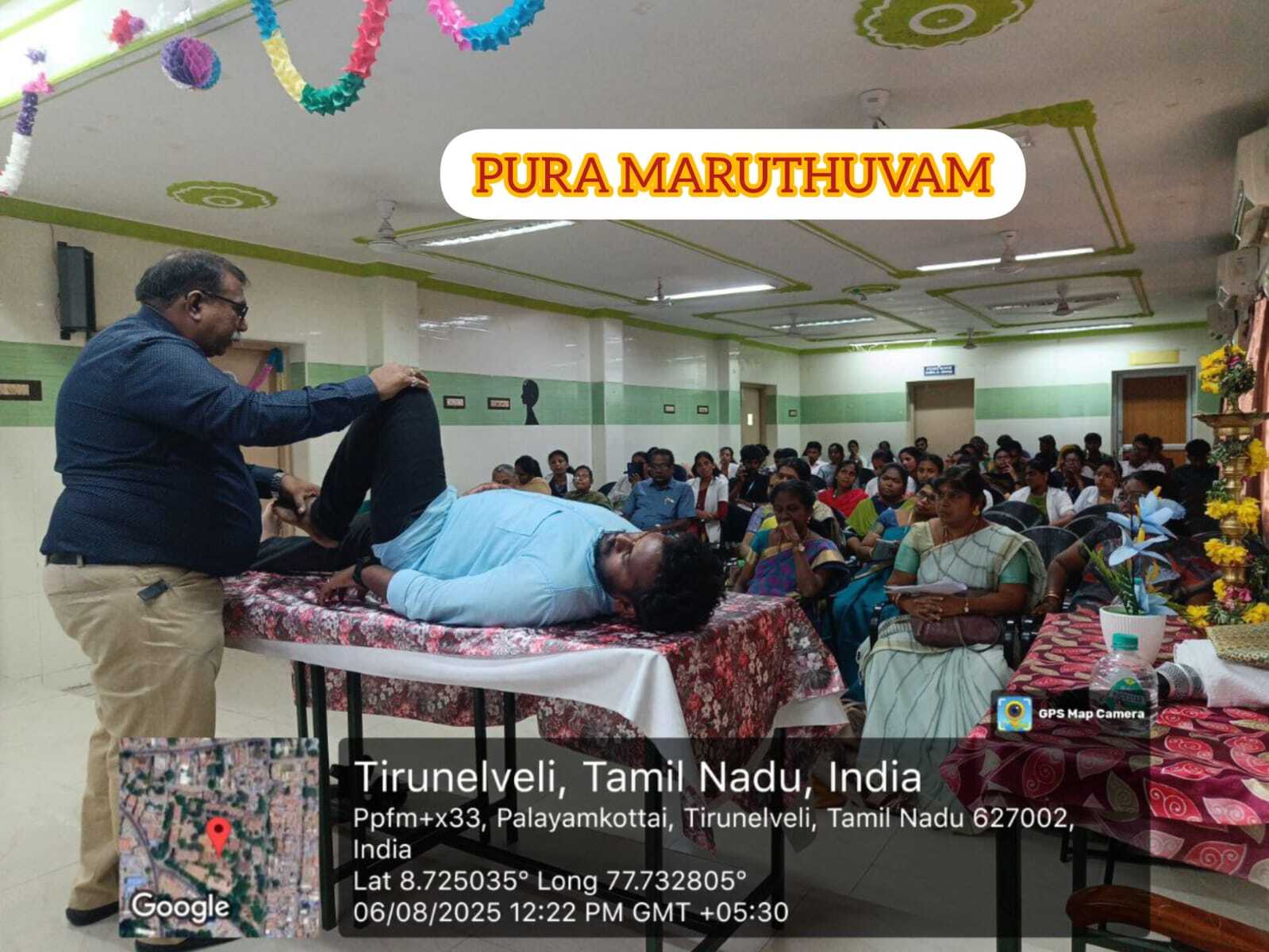
The department practices nearly all of the 32 external therapeutic procedures described in Siddha literature. Important therapies include:
·Thokkanam Therapy for conditions such as paralysis and degenerative spinal disorders
·Heat therapies such as:
oOttradam
oVedhu
oSuttigai
oPugai
·Respiratory therapies including:
oNasiyam
oPugai
oAakiranam
oNasikaparanam
Specialized procedures such as Attai Vidal are effectively performed for selected disorders.
For bone fractures, traditional procedures like:
·Kattu (bandaging techniques)
·Kombu Vaithu Kattal (splinting methods) is widely appreciated among patients.
The department also provides:
·Infrared therapy
·Traction therapy for cervical and lumbar spine disorders
·Electrotherapy for neurological conditions
·Therapeutic exercise programs using specialized rehabilitation equipment
Research Activities
Every year, postgraduate scholars undertake research projects on specialized topics related to Pura Maruthuvam with innovative treatment approaches.
Research findings are:
·Submitted as minor projects and academic dissertations
·Presented in conferences and seminars
·Evaluated scientifically through laboratory investigations of Siddha medicines used in external therapies
Academic and Extension Activities
The department regularly organizes:
·Continuing Medical Education (CME) programs
·Workshops and academic training sessions
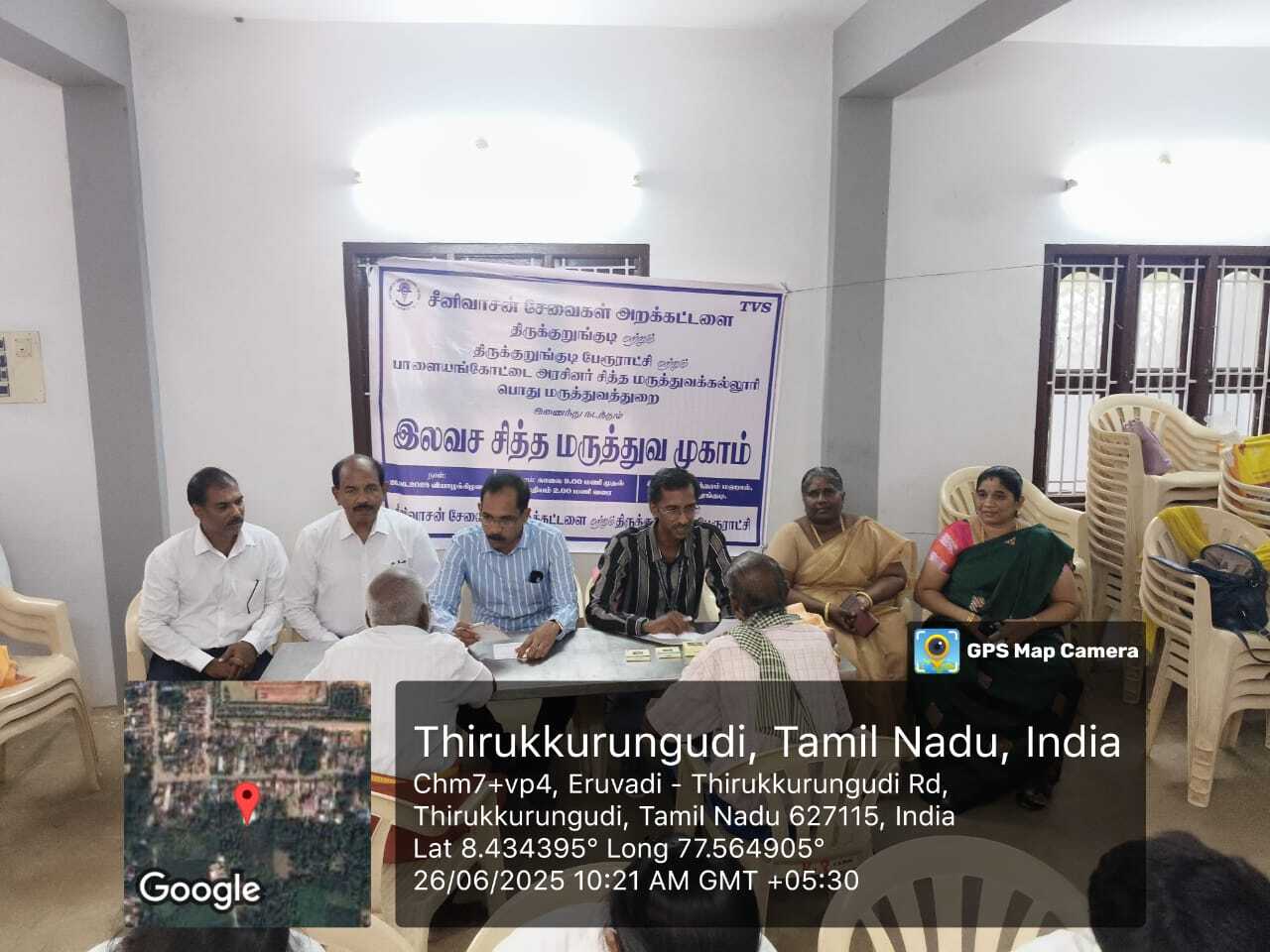
·Medical camps in schools, colleges, community organizations using specialized Siddha therapies and medicine.
The department also conducts:
·Public awareness programs on healthy lifestyle practices
·Health education and preventive healthcare initiatives
Conclusion
With the increasing prevalence of lifestyle-related disorders, the Department of Pura Maruthuvam takes pride in providing effective Siddha external therapeutic interventions to improve the quality of life and rehabilitation techniques for temporary or permanent disabilities.
Department of Siddhar Yoga Maruthuvam
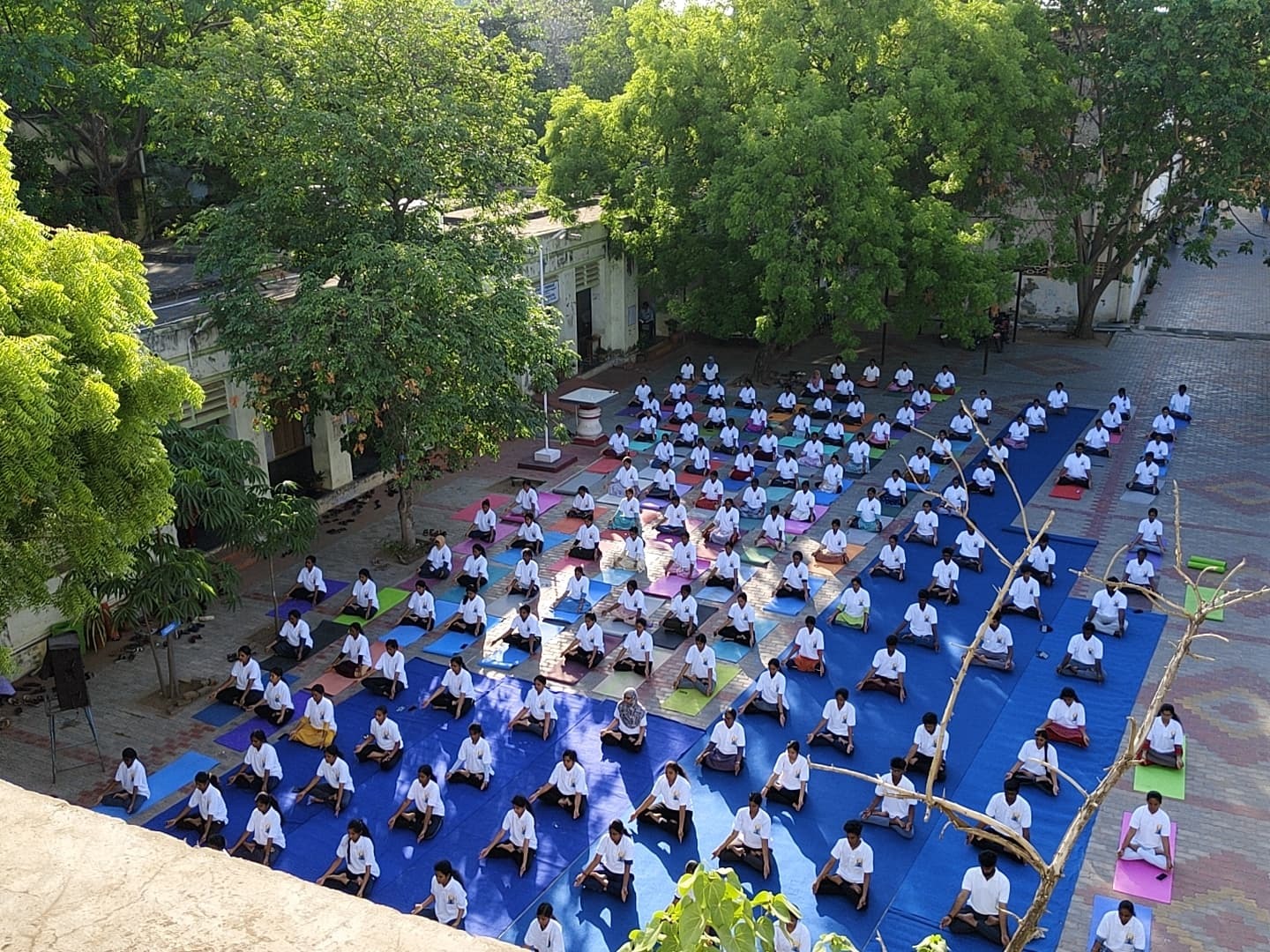
The Siddhar Yoga Maruthuvam Department at the Government Siddha Medical College, Palayamkottai, Tirunelveli, plays a vital role in preserving and propagating the ancient yogic and therapeutic wisdom of the Siddha system. As a branch of Siddha medicine, Yoga Maruthuvam integrates physical postures (asanas), breathing techniques (pranayama), meditation (dhyana), Mudhras, Bandhas, and therapeutic kriyas to promote holistic health, prevent diseases, and support the treatment of various psychosomatic conditions.
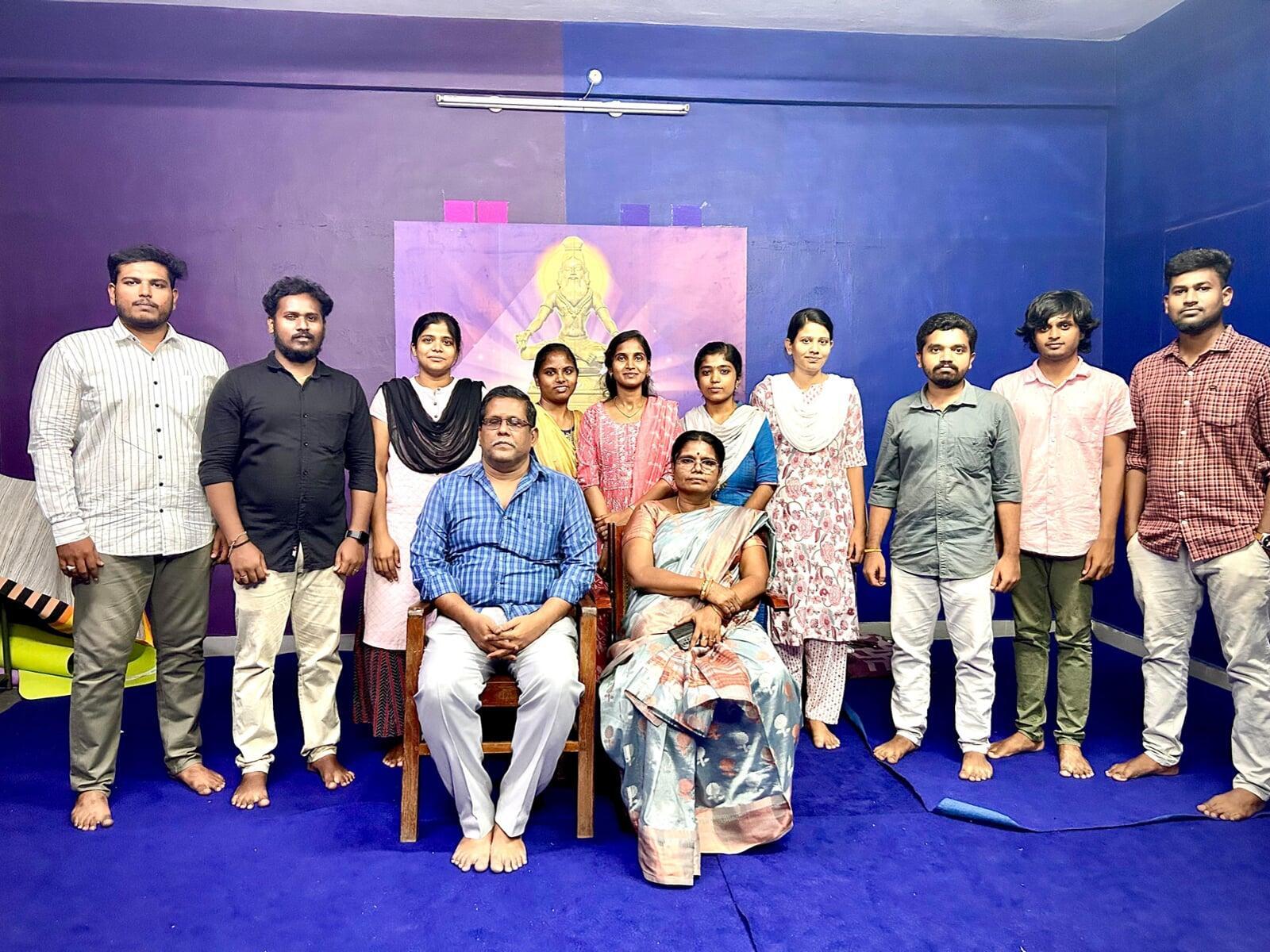
From 2018 onwards, the department has been successfully functioning as one of the Eight Branches of Post Graduation (M.D. Siddha) courses in Government Siddha Medical College and Hospital, Palayamkottai, Tirunelveli. Five batches of students have since graduated and continue to carry forward this legacy.
Training Programmes
The department offers both undergraduate (BSMS) and postgraduate (M.D. Siddha) training programmes. Students receive comprehensive instruction in:
•Siddha yogic physiology and pathology
•Therapeutic yoga techniques for lifestyle disorders
•Kayakalpam treatment
•Detoxification and rejuvenation practices
•Siddha philosophy and spiritual evolution
Noteworthy Initiatives
•Therapeutic Yoga Camps
•Integration of Yoga with Siddha Pharmacology
•Public Awareness Programmes
•Regular CME Programmes
•Research Programmes
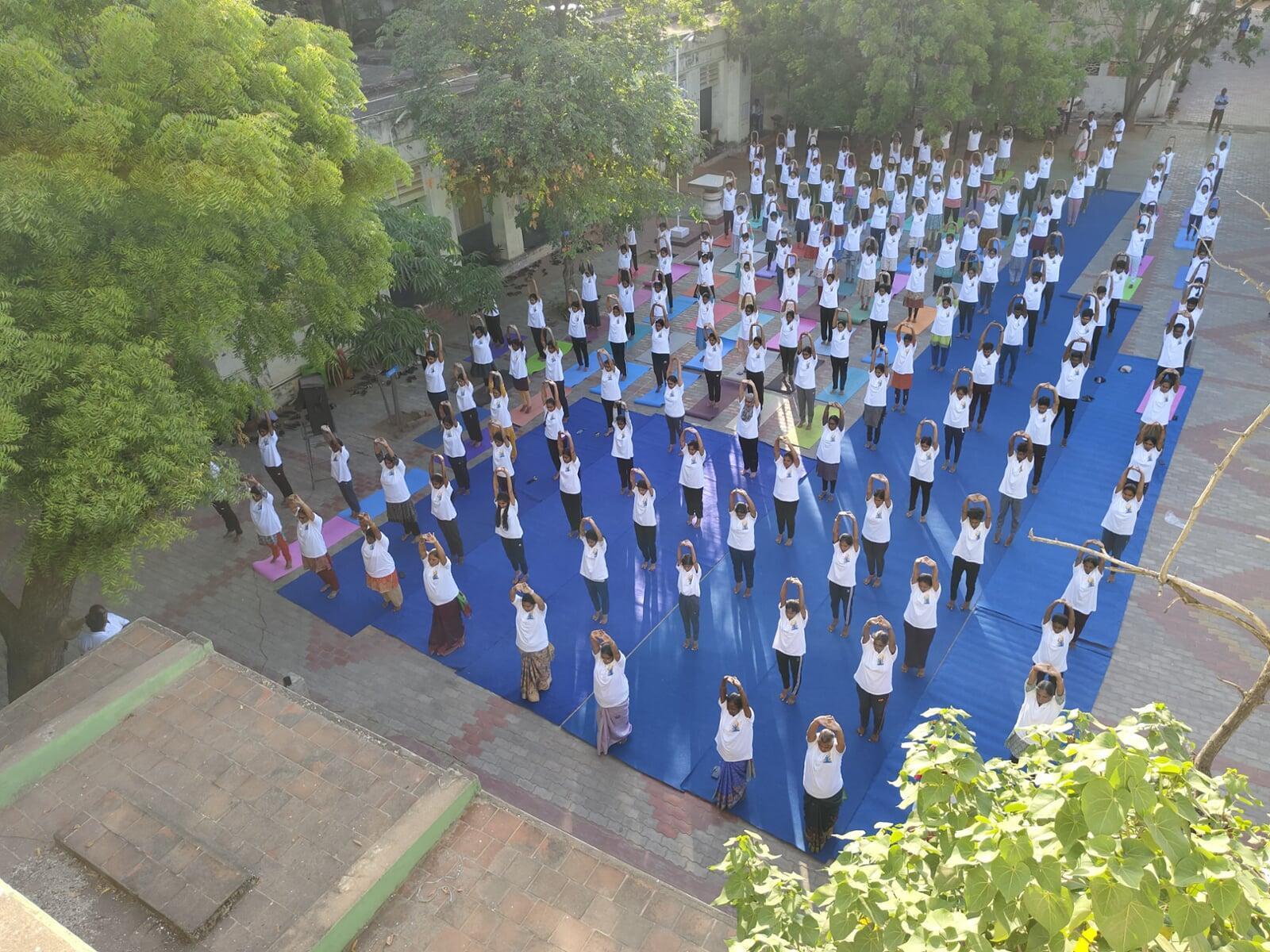
•Awareness through International Yoga Day & World Meditation Day
Department of Siddhar Aruvai Thol Maruthuvam
Siddhar Aruvai Thol Maruthuvam plays a vital role in treating conditions that cannot be managed effectively through medical therapy alone. Recognizing this importance, Aruvai Maruthuvam (Siddha Surgery) enables students to acquire knowledge and skills in surgical diagnosis and management based on traditional Siddha surgical procedures along with modern surgical concepts.
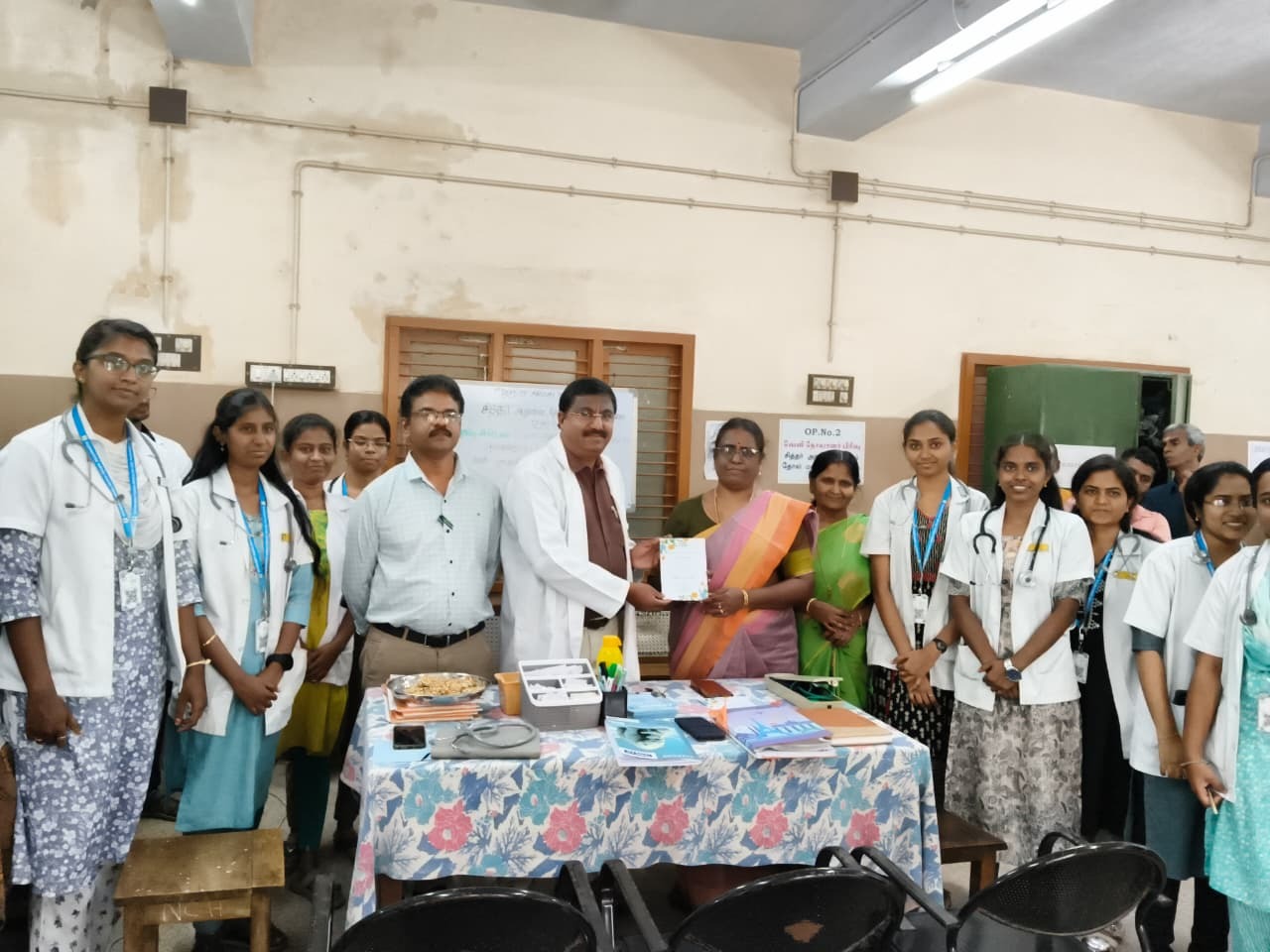
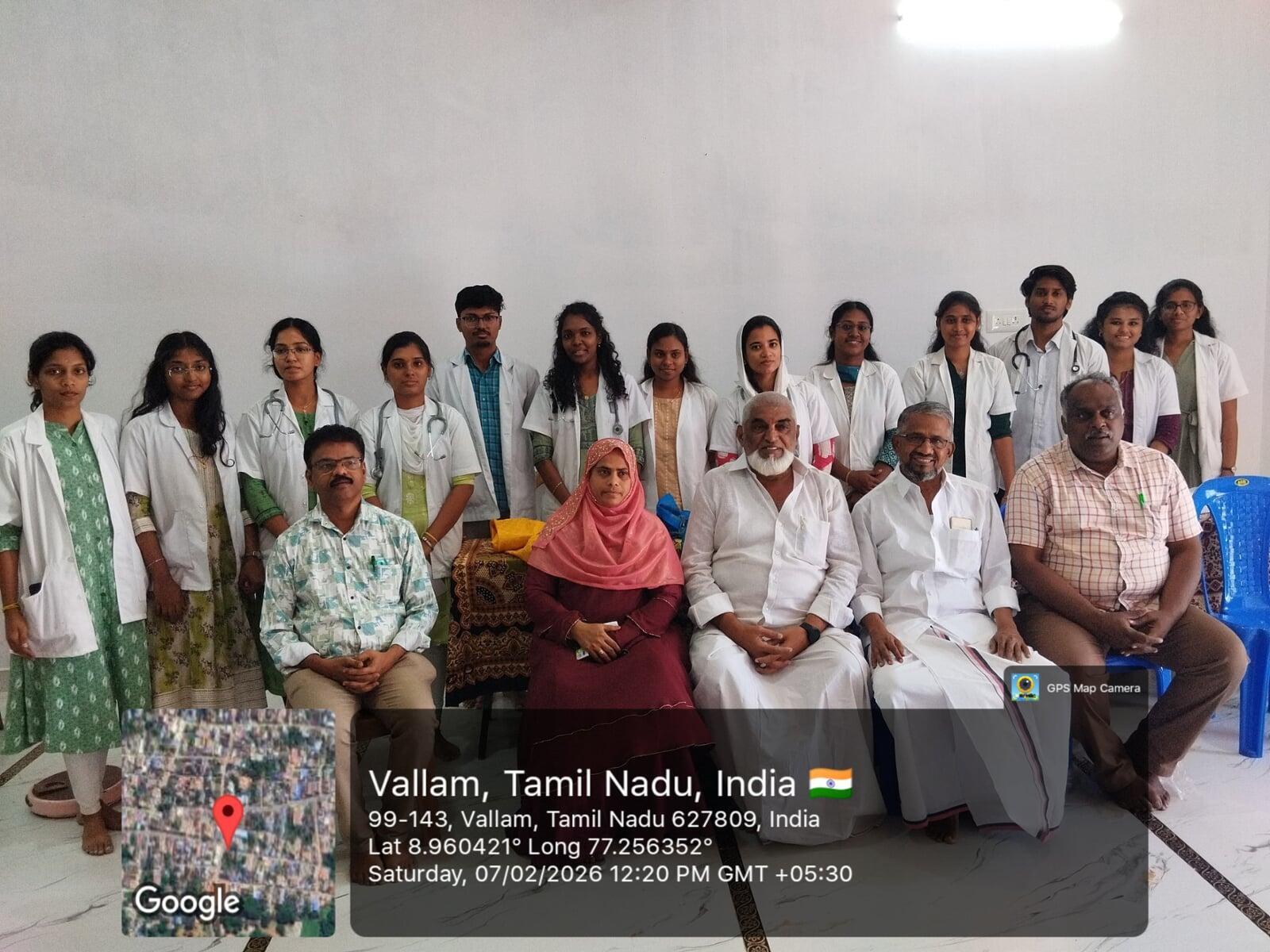
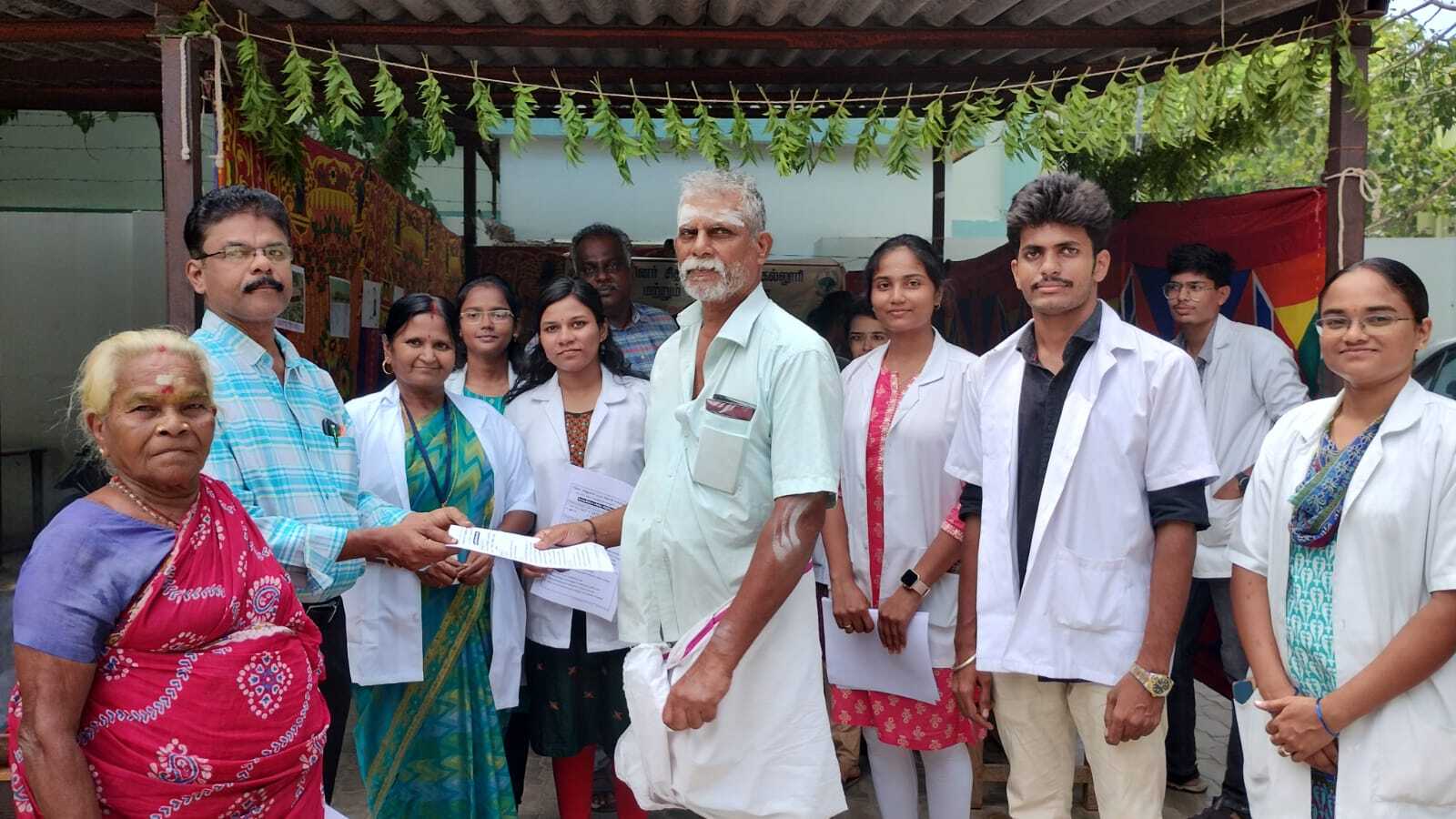
Aruvai Thol Maruthuvam provides OPD services for the management of skin diseases, chronic ulcer cases such as Naalavibhatha Punn, Naadivibhatha Punn, and Mathumega Punn, and surgical conditions including Kalladaippu (Urolithiasis and Cholelithiasis), and other surgical disorders, along with Kan Noigal (Ophthalmology), Pal Noigal (Dental diseases), and Kaathu, Mooku, Thondai (Ear, Nose, and Throat) disorders. Special OPDs are conducted for Kaalanjagapadai (Psoriasis), Karanakuttam (Lichen Planus), and Kalladaippu cases. Traditional Siddha therapies such as Kattu (Bandaging therapy), Pugai (Fumigation therapy), Attai Vidal (Leech therapy), and Suttigai (Cauterization) are also practiced. The department additionally conducts awareness rallies, medical camps, CME programs, and training in Siddha medicine preparation.
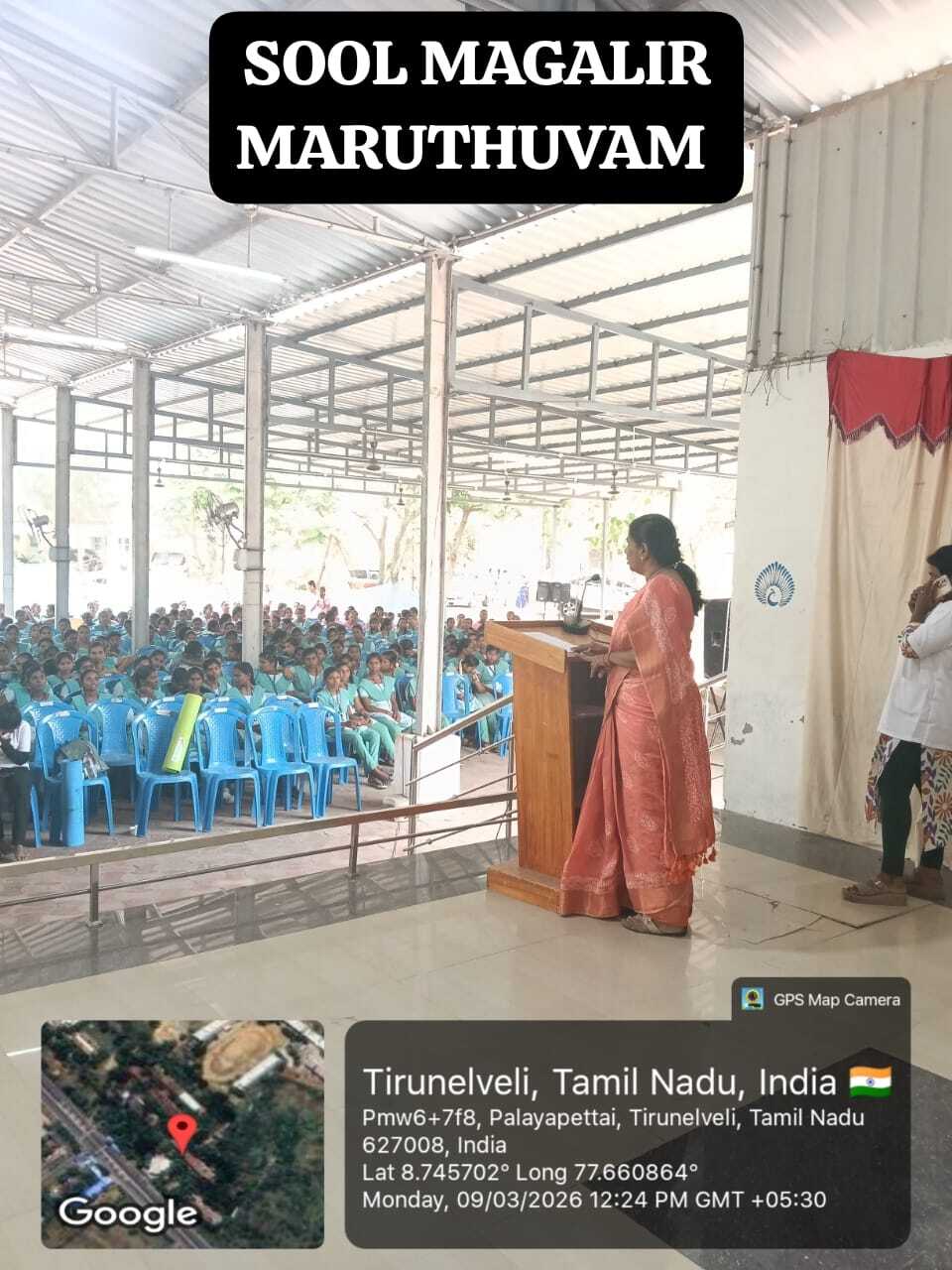
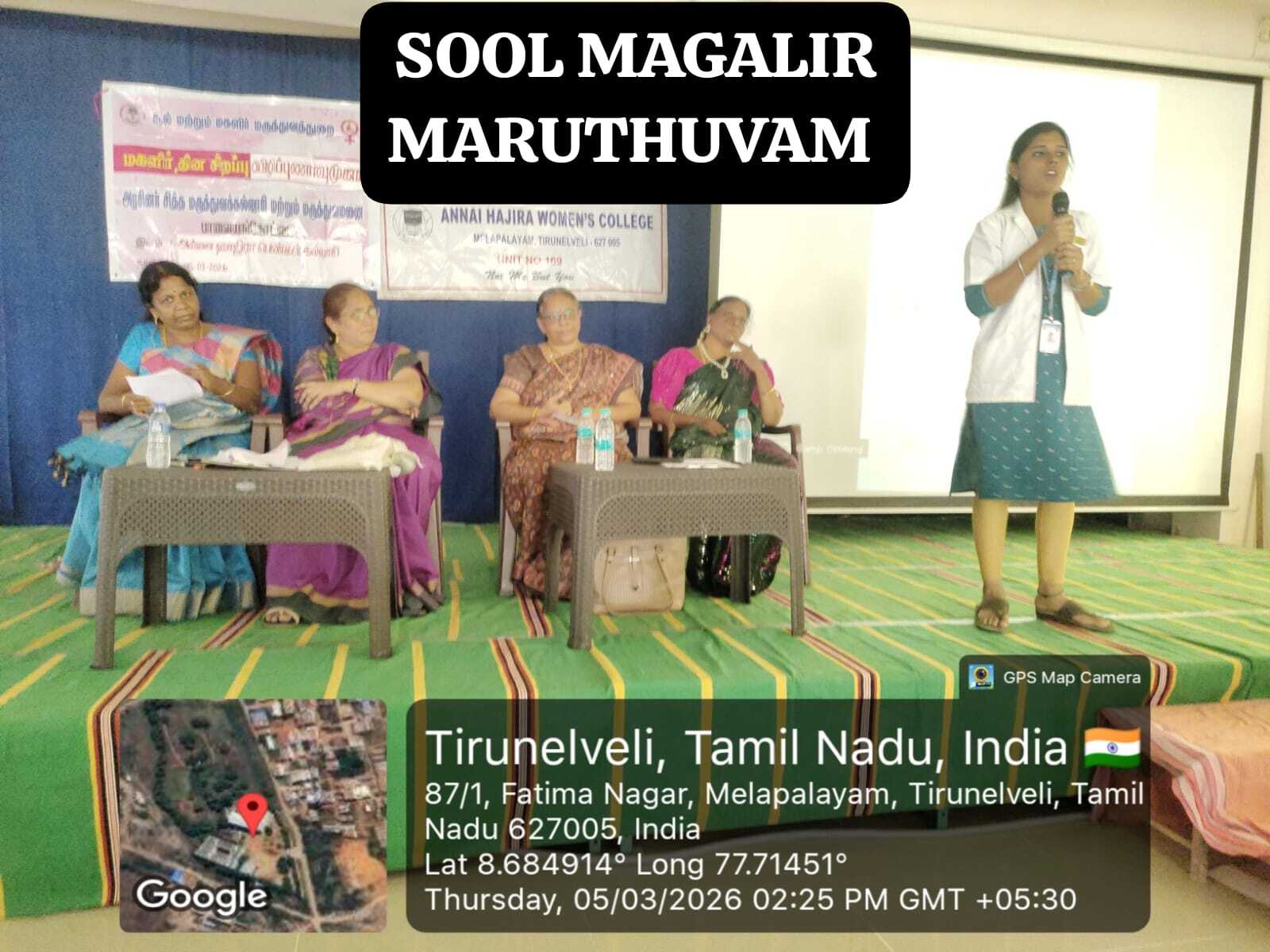
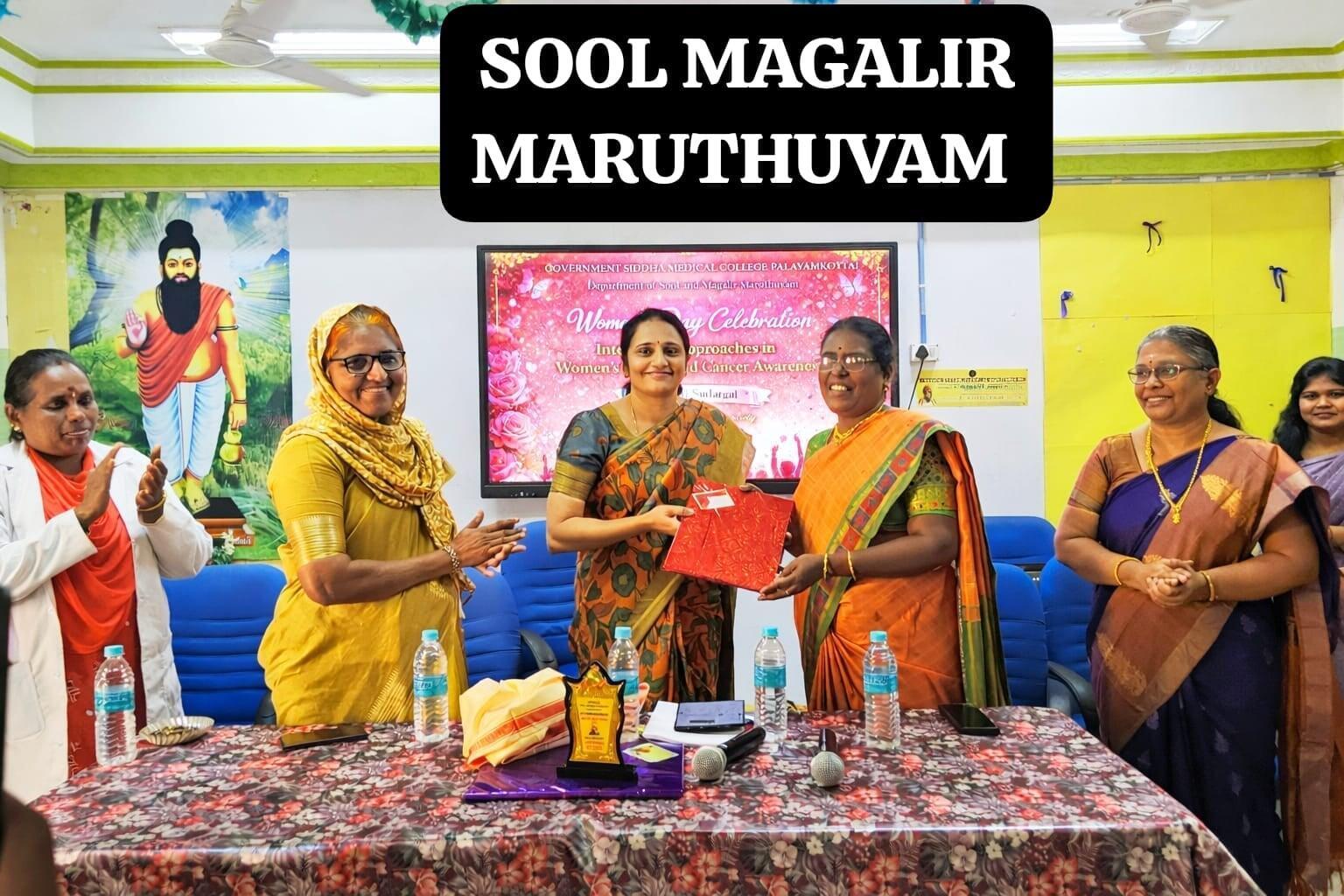
Department of Sool and Magalir Maruthuvam
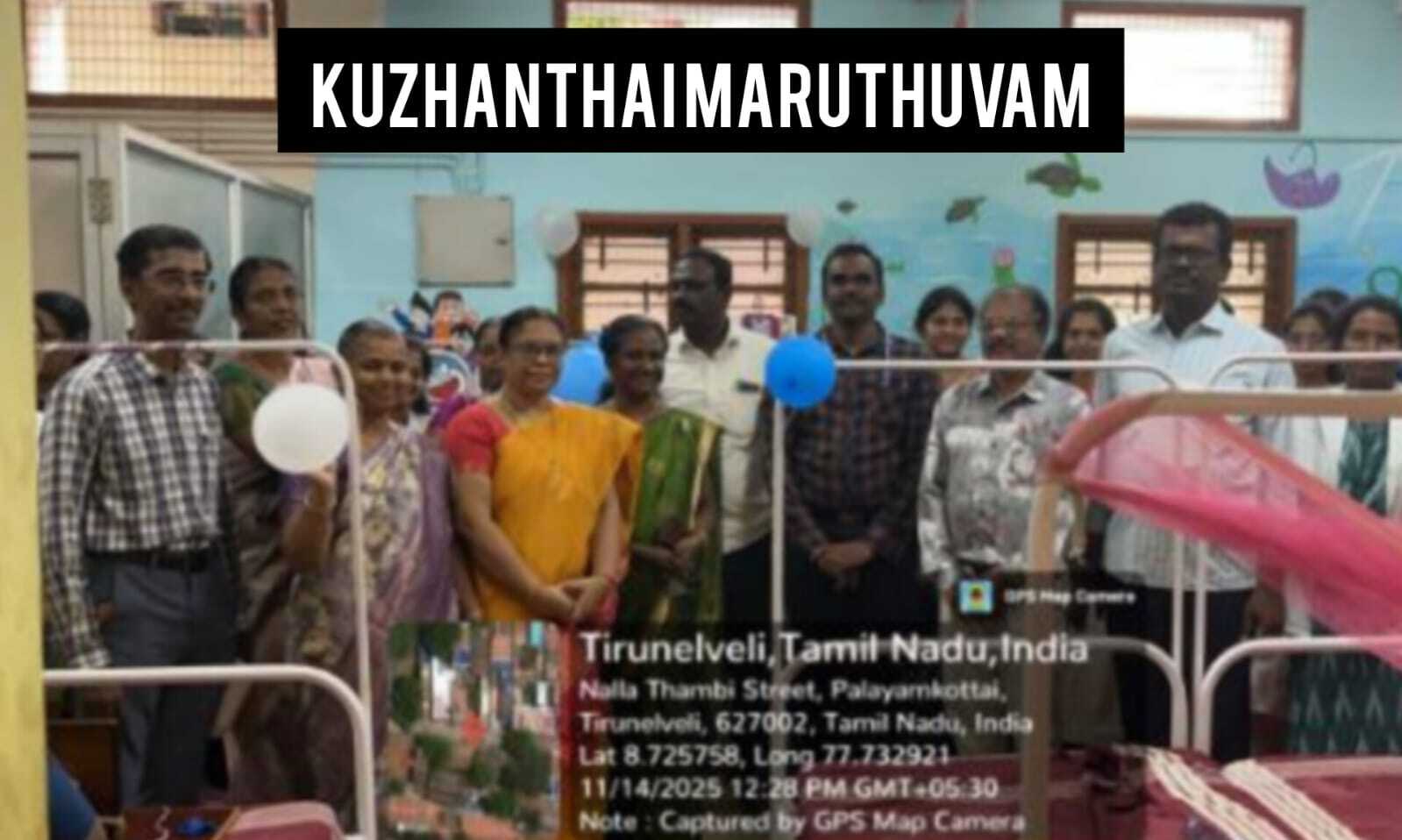
Department of Kuzhanthai Maruthuvam
Overview
On 6.7.1985, Kuzhanthai Maruthuvam Department with 33 bed facilities was started at Govt Siddha Medical College Palayamkottai .”The Department of PG Kuzhanthai Maruthuvam has been functioning effectively since 1996. Our department provides specialized Siddha medical care for children from both urban and rural areas. The strong foundation of this department is due to the dedicated efforts, academic excellence, and clinical experience of our former Heads of the Department and faculty members.
Treatment Modalities
Children presenting with congenital and developmental conditions such as Cerebral palsy, Muscular dystrophy, Delayed milestones, Seizure disorders, Down syndrome, Autism spectrum disorder, Attention Deficit Hyperactivity Disorder (ADHD), and Scoliosis are treated using various Siddha pediatric therapeutic approaches. These include internal medicines, external therapies, massage, fomentation, medicated oil applications, herbal pastes, nasal therapies, fumigation, and dietary regulation.Common childhood illnesses such as Respiratory disorders, Skin diseases, Gastrointestinal disorders, Anemia, Fever, Cough, Tonsillitis, Eye, Ear, and Nasal disorders are also effectively managed.
Special attention is given to nutritional status and growth-related disorders. Parents are counseled regarding dietary practices, therapeutic nutrition, and traditional Siddha feeding practices, including preparation and administration of medicated porridges.
Research Activities in Department of Kuzhanthai Maruthuvam
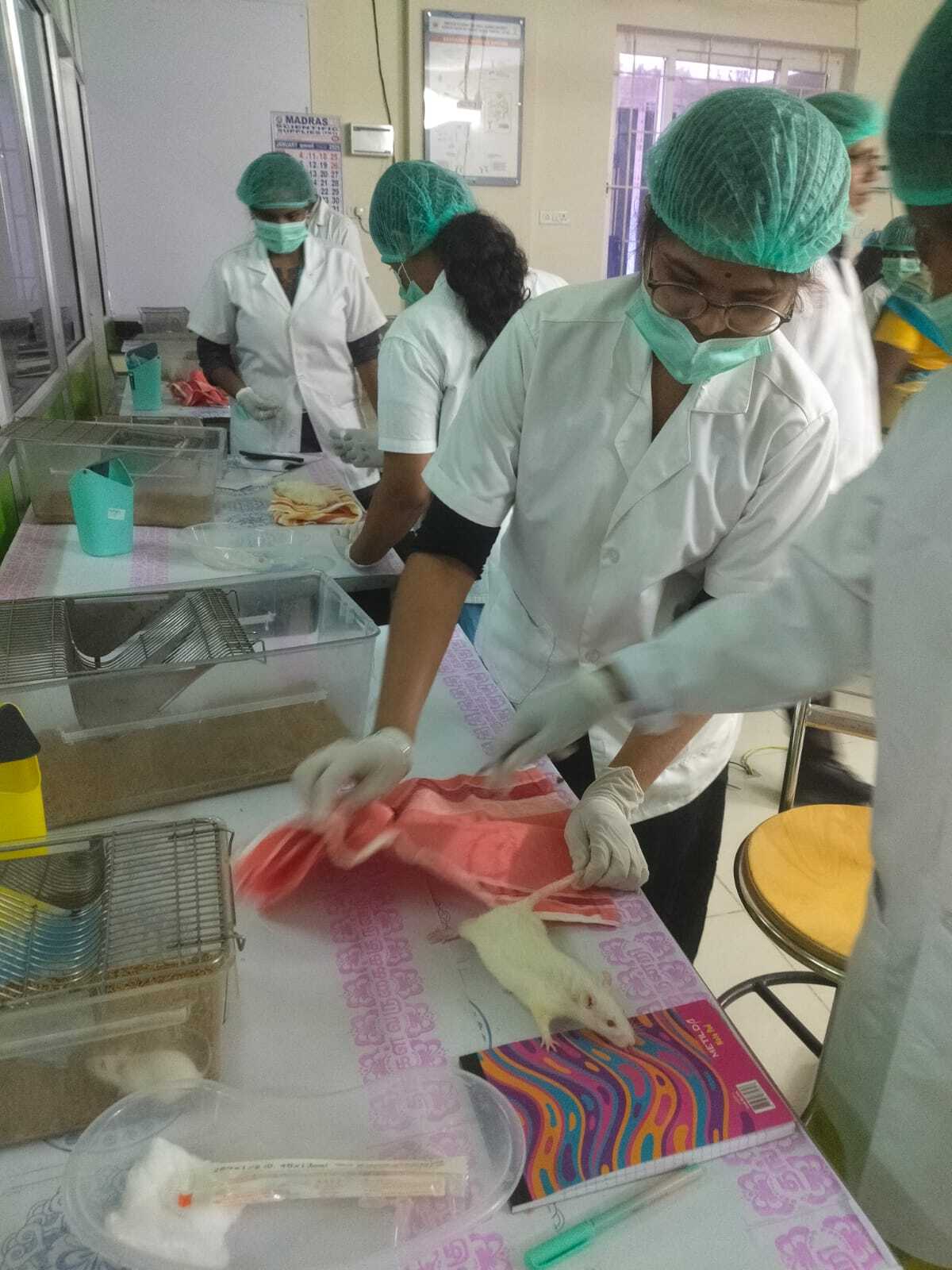
Undergraduate and postgraduate students conduct research, presenting dissertations at conferences in India, Malaysia, and Sri Lanka. Siddha medicines undergo preclinical studies using animal models, followed by pediatric administration. Phytochemical and physicochemical analyses are performed in advanced laboratories, with results systematically .
Academic Achievements
Students of our department excel not only in clinical practice but also in academics. Every year, our students secure top ranks at the university level, along with gold medals, awards, and certificates, bringing pride to the department.
Special observances
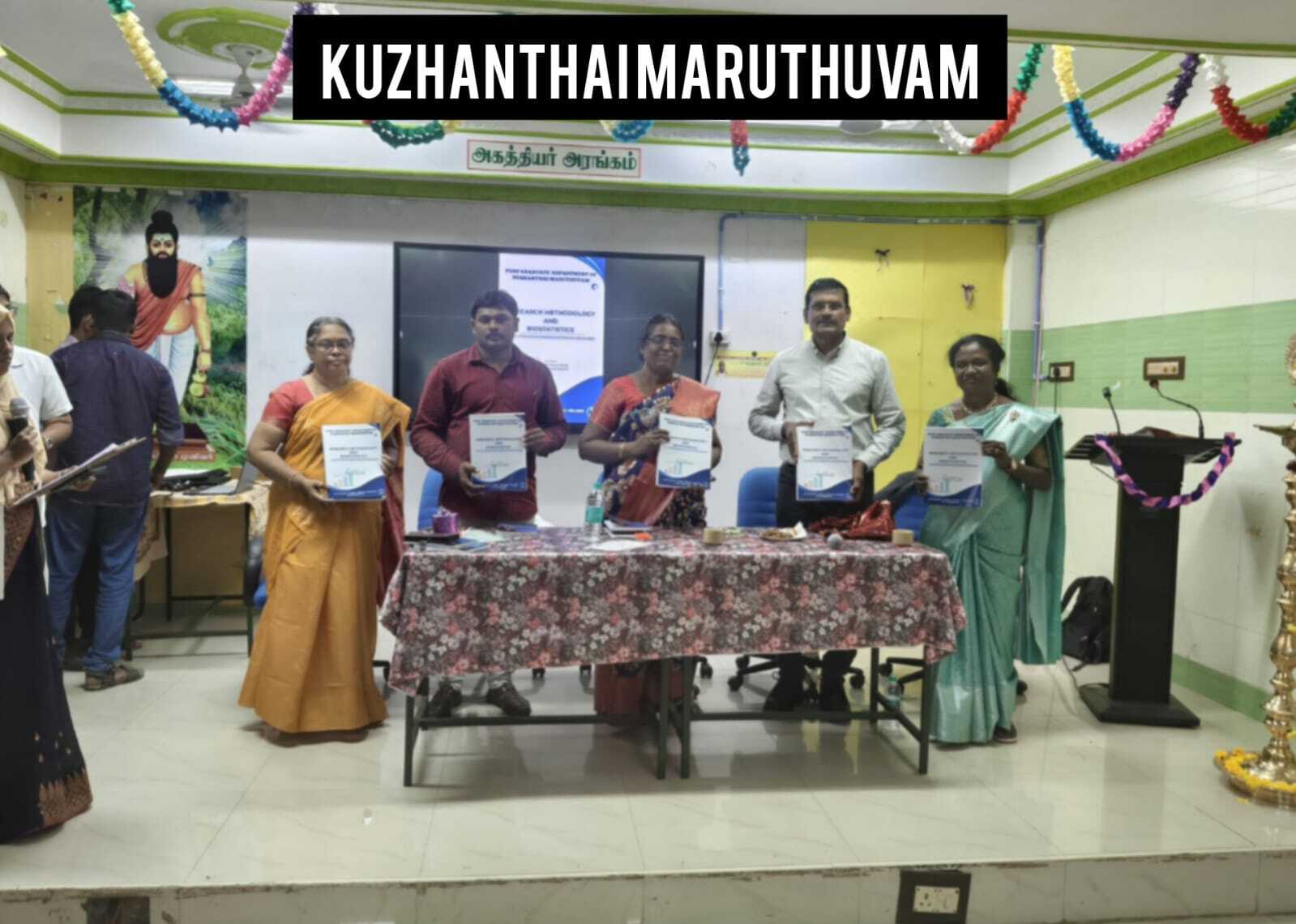
Children’s Day is celebrated annually with special programs and free medical services for children. World Autism Awareness Day is observed through awareness programs and counseling sessions for parents of children with autism. Breastfeeding Week is celebrated to promote the importance of exclusive breastfeeding, particularly for mothers of children with developmental challenges. Continuous Medical Education (CME) programs and awareness campaigns are regularly conducted. Additionally, postgraduate students document and study traditional Siddha pediatric treatment practices followed by rural and tribal communities.
Postgraduate students undertake annual educational field visits to medicinal herb gardens and Siddha drug manufacturing units. During these visits, they collect detailed information on Siddha pediatric medicines and medicinal herbs used in childhood diseases.
Medical Outreach Services
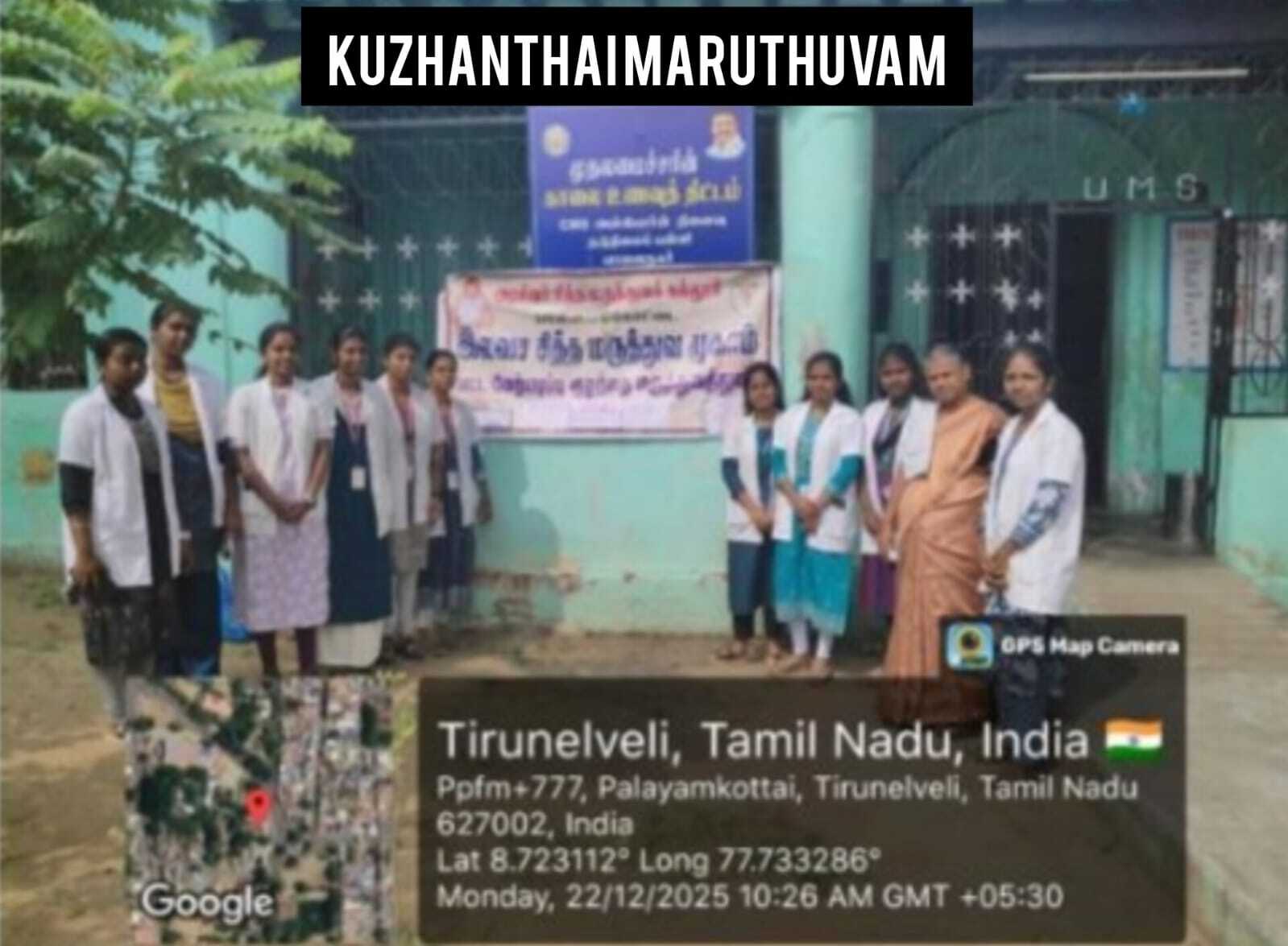
Medical camps are conducted in rural areas to provide free Siddha pediatric healthcare services. These camps focus on early detection, disease prevention, health education, counseling, and treatment using Siddha medicines.
We take pride in delivering dedicated, holistic, and child-centered Siddha medical services through our Pediatric Siddha Medicine Department.